May 2026 Newsletter
Perspectives: Deep Work in an Age of Shallow Distractions: Artificial Intelligence in Medicine
By Sumithira Vasu, MBBS, MD
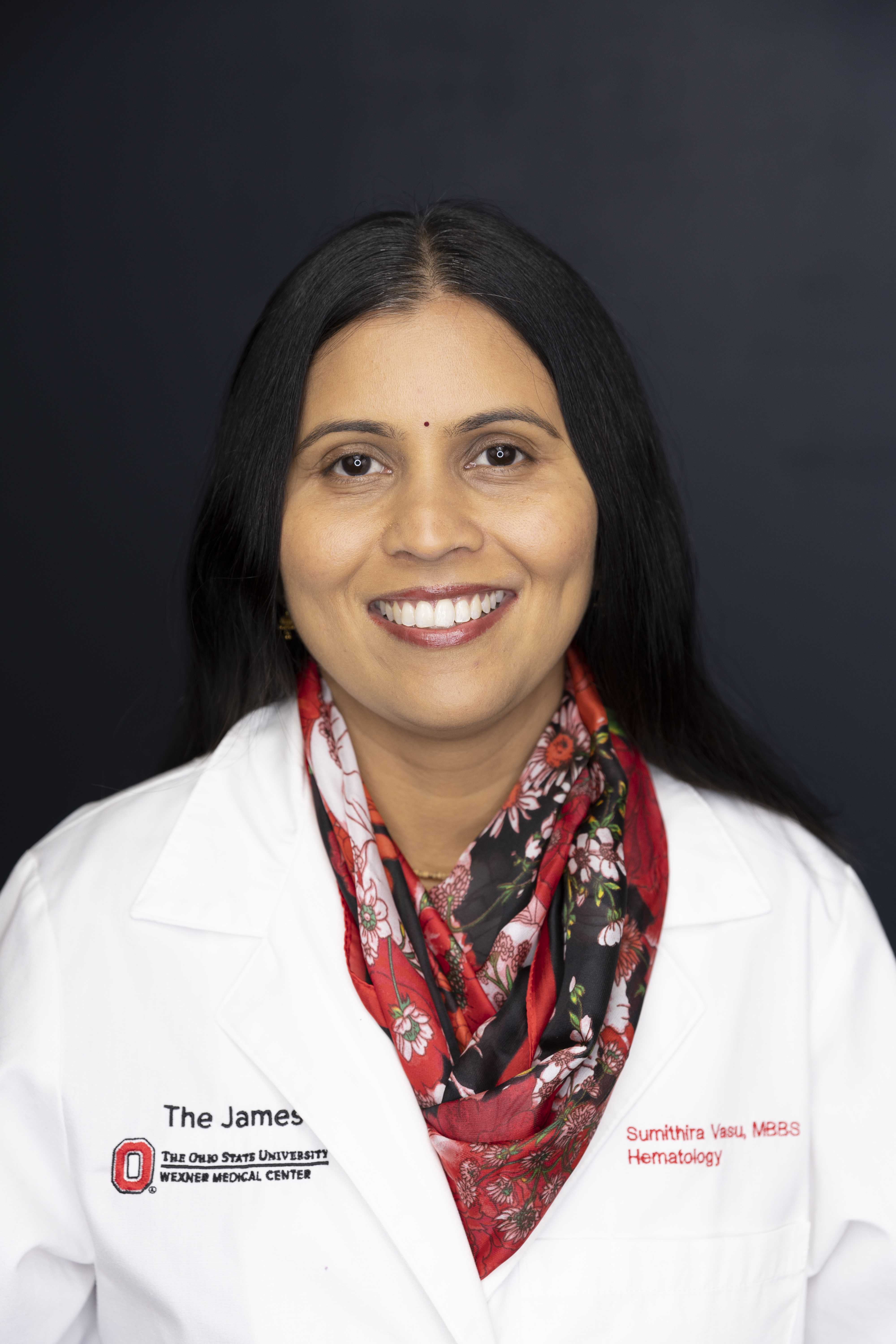 Every day, in conferences and meetings, I constantly hear people ask, “What can artificial intelligence (AI) do to make this better?” My employer rolled out Microsoft Copilot training to get doctors more efficient with all the tools Microsoft has to offer. I signed up enthusiastically and quickly realized what can be done by AI and what can’t be done. When an idea needs to be conveyed clearly, whether in a paper or slides, humans have to do it. These days, I can detect fairly quickly when a student or a colleague has used ChatGPT to write their content. The output often has many words, but no identifiable voice. The National Academy of Medicine recognizes the role generative AI will play in health and medicine, releasing a special report in 2025 on this topic. While healthcare systems have incorporated AI in decision support tools, generating clinic notes by ambient AI scribes, and digital pathology, clinicians and researchers will increasingly utilize these tools in daily patient interactions and research.
View Full StoryView Less
I have found some AI tools very helpful, specifically OpenEvidence. While navigating a new clinical situation never encountered before, I typed a prompt into OpenEvidence and quickly reviewed responses supported by multiple references. This significantly reduced the time I spent on literature review. I am also using Microsoft Copilot to generate action items from endless meetings to keep people accountable.
As our world becomes more global, it’s interesting to see how people are utilizing AI elsewhere. I recently went on a trip spanning 3 continents in 7 days—first to EBMT in beautiful, historic Madrid. I attended many educational sessions that had plenty of time for discussion and engagement with the audience, and then I participated in the first ever collaborative conference on point-of-care manufactured cell and gene therapies in India. Christian Medical College, Vellore, the oldest transplant center in India and one of the first to manufacture CD19 CAR-T in an academic center, hosted the conference. The conference featured speakers from throughout India, including the founder of the company that got its first regulatory approval for CD19 CAR-T, Rahul Purwar, PhD, and Tanveer Ahmed, PhD, who is conducting the first trials of off-the-shelf in vivo CD19 and B-cell maturation antigen CAR. Dr. Ahmed’s team is a group of twenty-year-olds who built an AI agent to address any questions about CAR-T. As I heard about indigenous gene therapies being developed for sickle cell anemia and thalassemia, I saw how much AI has transformed each aspect of cell and gene therapies, from preclinical studies to manufacturing. It was a very enriching educational experience to see scientists of all ages work hard to develop indigenous cell and gene therapies for rare diseases.
On the long plane ride back to Columbus, Ohio, I had a chance to reflect on how to get the workday to be more focused on building upon ideas to tangible outcomes, rather than getting consumed by email and the “ tyranny of the urgent”. I am diligently using CoPilot to increase efficiency, but nothing seems to replace taking control of one’s calendar to do deep work. AI can help streamline work and increase productivity, yet the human element is essential for the high cognitive load of idea generation, execution, and dissemination.
Meet 3 More CIBMTR Page Scholars
Over the coming months, we will continue to highlight each of the Page Scholars to further introduce them to our CIBMTR Community. We’ll share who they are, what their goals are, and their interest in the Page Scholar Program.
View Full StoryView Less
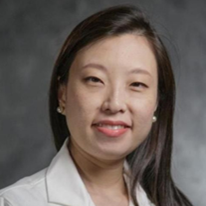 |
Sanghee Hong, MD – Infection and Immune Reconstitution Working Committee I am an Assistant Professor in the Division of Hematologic Malignancies and Cellular Therapy at Duke University. As a health services researcher and clinical trialist, my work focuses on developing practical solutions to reduce disparities in access to and outcomes of HCT and CAR-T therapy. I look forward to collaborating with CIBMTR’s teams and gaining deeper insight into proposal selection and project development within the working committees. I am also eager to continue learning from the rich statistical and methodological discussions at the weekly statistical meetings. “Sanghee is a valuable addition to the Infection and Immune Reconstitution Working Committee. She is a quick study on working committee processes and is contributing to projects at all stages of development. We are excited to have her on our team.” |
|
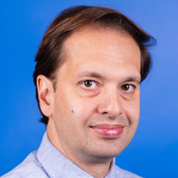 |
Taymour Hammoudi, MD, PhD – Immunobiology Working Committee I am an assistant professor of pediatrics and a BMT / cellular therapy physician at the University of Colorado Anschutz School of Medicine and Children's Hospital of Colorado. My research focuses on leveraging biospecimens, large-scale registry data, and machine learning to improve immune reconstitution and outcomes following pediatric and young adult HCT. With a multidisciplinary background in biomedical engineering, tumor immunology, and data science, my work centers on integrating high-dimensional immune profiling with clinical data to advance precision transplant and cellular therapy approaches. Through the CIBMTR Page Scholar Program, I hope to gain mentorship in leadership and collaborative research, expand my professional network, and develop expertise in utilizing CIBMTR’s registry and biorepository to lead impactful, multicenter clinical-translational studies aligned with CIBMTR’s mission. Training in the application of CIBMTR data resources will complement my expertise in machine learning and biospecimen-driven analytics, enabling me to collaborate in designing large-scale studies that refine transplant and cellular therapy strategies and ultimately improve patient outcomes. "Taymour has been a very strong and welcome addition to the Immunobiology Working Committee. He brings valuable pediatric expertise and perspective that was underrepresented within the working committee. His background and knowledge enrich our discussions and strengthen the committee’s work, and we are fortunate to have his contributions." |
|
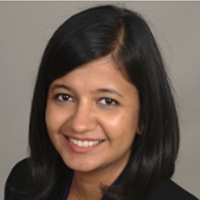 |
Poorva Bindal, MD – Morbidity, Recovery and Survivorship Working Committee I am an assistant professor of medicine and Director of Cellular Therapeutics Research Development at the UMass Cancer Center, where I lead efforts to expand access to CAR-T cell therapy and support clinical innovation. My research focuses on treatment-related toxicities, complications, and mechanisms of resistance / relapse following CAR-T cell therapy in hematologic malignancies. Through the Page Scholar Program, I hope to deepen my expertise in large-scale outcomes research, gain insight into CIBMTR study design, and contribute meaningfully to collaborative projects alongside expert investigators and statisticians. “Poorva has been a terrific addition to the Morbidity, Recovery and Survivorship Working Committee. Her enthusiasm, insight, and reliable engagement have strengthened our discussions on this year’s proposals, ongoing working committee protocols, and our overall committee work.” |
Infection and Immune Reconstitution Working Committee
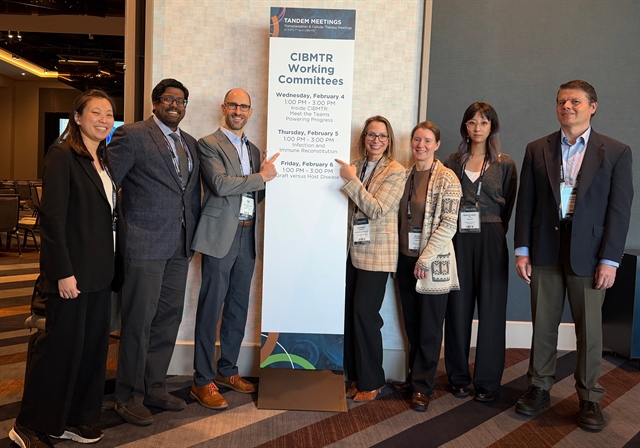
Pictured left to right: Sanghee Hong, Hemant Murthy, Joshua Hill, Christen Ebens, Anna Huppler, Qiran (Lexie) Ye, and Michael Martens.
Infection and iatrogenic immunodeficiency are consequences of HCT and non-transplant cellular therapies. Changes in conditioning regimens, advances in GVHD prophylaxis, innovations in cellular therapy, and expanding indications for HCT and cellular therapy have shifted infection risks and rates of immune reconstitution.
View Full StoryView Less
The Infection and Immune Reconstitution Working Committee provides scientific oversight for studies of the epidemiology, prevention, and treatment of infections after HCT and cellular therapy as well as the rate and impact of immune function recovery. Our studies provide evidence that guides changes in supportive care guidelines and risk assessments in this rapidly advancing field.
Over the last few years, completed and in-progress studies examined infectious risks following CAR-T cell therapy, the impact of T-cell immune reconstitution on outcomes after HCT, and the role of antibacterial prophylaxis with allogeneic HCT.
Sanghee Hong, MD, from Duke University, is in her first year serving on the working committee as our Page Scholar. She contributes to our committee activities, including Tandem Meetings working committee proposal reviews, manuscript preparation, and data form optimization. She has taken an active role in supporting early protocol development with a goal of reducing the statistical hours required for each project.
The Infection and Immune Reconstitution Working Committee’s accomplishments in the last year included publishing 3 high-impact manuscripts in Blood Advances. The study results included:
- Demonstration of high incidence of infectious complications but a low rate of infection-related mortality following tisagenlecleucel for relapsed / refractory precursor B-cell ALL in children and young adults
- Identification of risk factors for infection, high incidence of infection, and significant infection-related mortality after CD19 CAR-T cell therapy for large B-cell lymphoma
- Demonstration of an association between day 100 CD4 counts and overall survival, progression-free survival, and treatment-related mortality in adults after allogeneic HCT
The committee is working on 5 projects, and we anticipate publishing 1 manuscript in 2026. You can view planned, in-progress, and completed studies and publications on CIBMTR’s Infection and Immune Reconstitution Working Committee webpage. We welcome participation from the infectious diseases, immunology, and transplantation and cellular therapy communities throughout the lifecycle of each project. Our success depends on your new ideas and openness to collaborations with others in the field.
Many CIBMTR forms contain infection-related questions. Over the past year, the Infection and Immune Reconstitution Working Committee contributed input to several form updates, including changes to the list of organisms causing infection to improve clarity and align with microbiological report nomenclature. Hepatitis forms are due for update in 2026 (F2047 and F2147). We are pleased to announce that HIV data are now available for statistical analysis. Data on forms F2028 and F2148 can be included in future project proposals. Lastly, the working committee has been invited to develop a new form to capture vaccine data. Please contact any of the working committee’s leaders if you are interested in participating in the Vaccine Form Task Force or if you need support when preparing a proposal.
We look forward to your ongoing contributions to the Infection and Immune Reconstitution Working Committee and hope to see many of you at the 2027 Tandem Meetings in Orlando, Florida, next February.
Committee Leadership
Co-Chairs:
- Christen Ebens, University of Minnesota, Minneapolis, MN
- Hemant Murthy, Mayo Clinic Florida, Jacksonville, FL
- Joshua Hill, Fred Hutchinson Cancer Center, Seattle, WA
Scientific Director:
- Anna Huppler, CIBMTR MCW, Milwaukee, WI
Statistical Director:
- Michael Martens, CIBMTR MCW, Milwaukee, WI
Statistician:
- Qiran Ye, CIBMTR MCW, Milwaukee, WI
Page Scholar:
- Sanghee Hong, Duke University School of Medicine, Durham, NC
GVHD Working Committee
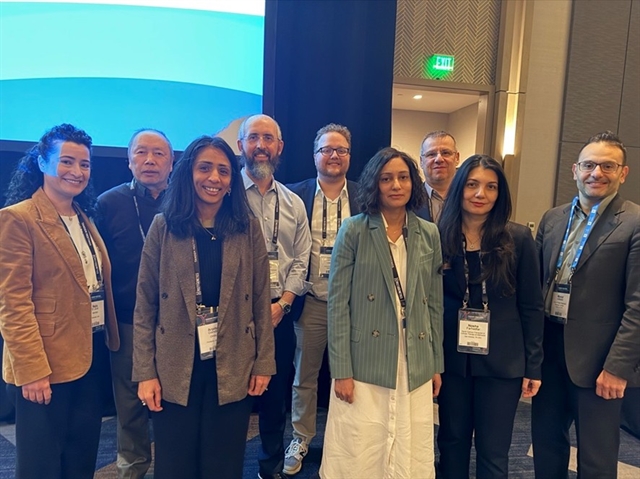
Pictured left to right: Najla El Jurdi, Tao Wang, Arpita Gandhi, Zachariah DeFilipp, Jakob Devos, Pooja Khandelwal, Fotios Michelis, Nosha Farhadfar, and Monzr Al Malki.
GVHD remains a major complication of allogeneic HCT despite novel approaches for prevention. Ongoing efforts to understand, prevent, and treat both acute and chronic GVHD are critical to improving transplant safety. The GVHD Working Committee is committed to leveraging CIBMTR’s robust data resources and statistical expertise to address impactful research questions in the field.
View Full StoryView Less
As an update to the committee leadership structure, the GVHD Working Committee announces Monzr Al Maliki, MD, from City of Hope as the incoming co-chair and Arpita Gandhi, MD, from Oregon Health & Science University as our Page Scholar. Thank you to our outgoing co-chair, Zachariah DeFilipp, MD, and our outgoing scientific director, Stephanie Lee, MD, for all their contributions.
The committee remains very active, with several recent presentations and publications emerging from the GVHD Working Committee portfolio. At the 2025 ASH Annual Meeting, 2 key studies were highlighted as oral abstracts:
- Pashna Munshi, MD, presented findings demonstrating superior GVHD-free, relapse-free survival with post-transplant cyclophosphamide (PTCy)-based GVHD prophylaxis in patients undergoing myeloablative HCT (GV23-01)
- Robert Soiffer, MD, reported reduced chronic GVHD after HCT with cryopreserved peripheral blood stem cell grafts, an effect mainly observed in recipients of PTCy-based GVHD prophylaxis compared to non-PTCy recipients (GV23-02)
The committee is currently preparing these practice-defining studies for manuscript submission in 2026.
At the 2026 Tandem Meetings, the GVHD Working Committee presented 4 selected proposals that address key questions, including the impact of race and ethnicity on overall survival after HCT with PTCy-based prophylaxis, outcomes following donor lymphocyte infusion after MMUD HCT, the impact of PTCy-based prophylaxis in the adolescent and young adult population, and GVHD prophylaxis strategies in second HCT. The committee also announced a new survey to capture current practices in PTCy prescribing and dosing as GVHD prophylaxis across the HCT community.
The committee currently has 8 studies in progress, with a strong focus on PTCy-based GVHD prophylaxis. These studies address practical and clinically relevant questions as more centers adopt PTCy-based approaches for GVHD prophylaxis. Ongoing studies include:
- Comparison of PTCy with sirolimus versus PTCy with calcineurin inhibitor (CNI) immunosuppression partner for GVHD prophylaxis, and the impact of adding mycophenolate mofetil to CNI
- Assessment of the impact of acute GVHD on HCT outcomes after PTCy-based prophylaxis
- Characterization of acute and chronic GVHD after PTCy- versus CNI-based prophylaxis
- Comparison of abatacept versus PTCy for GVHD prophylaxis in HCTs for myeloid malignancies
The GVHD Working Committee is actively moving forward with an exciting portfolio of studies that address timely, clinically meaningful questions in GVHD prevention, treatment, and outcomes.
The GVHD Working Committee encourages the submission of new proposals and specifically welcomes the involvement of junior investigators. Committee leaders are also available to discuss new concepts and give input on proposal development. Please note that data sets from previously published studies are now publicly available for secondary analyses on CIBMTR’s website. Additional information about the committee can also be found on the GVHD Working Committee’s webpage.
Committee Leadership
Co-Chairs:
- Fotios Michelis, Princess Margaret Cancer Center, Toronto, ON
- Monzr Al Malki, City of Hope, Duarte, CA
- Nosha Farhadfar, Methodist Hospital, San Antonio, TX
- Pooja Khandelwal, Cincinnati Children’s Hospital, Cincinnati OH
Scientific Director:
- Najla El Jurdi, NCI, Bethesda, MD
Statistical Director:
- Tao Wang, CIBMTR MCW, Milwaukee, WI
Statistician:
- Jakob Devos, CIBMTR MCW, Milwaukee, WI
Page Scholar:
- Arpita Gandhi, Oregon Health and Science University, Portland, OR
Recapping the 2026 Tandem Meetings

By Alicia Halfmann
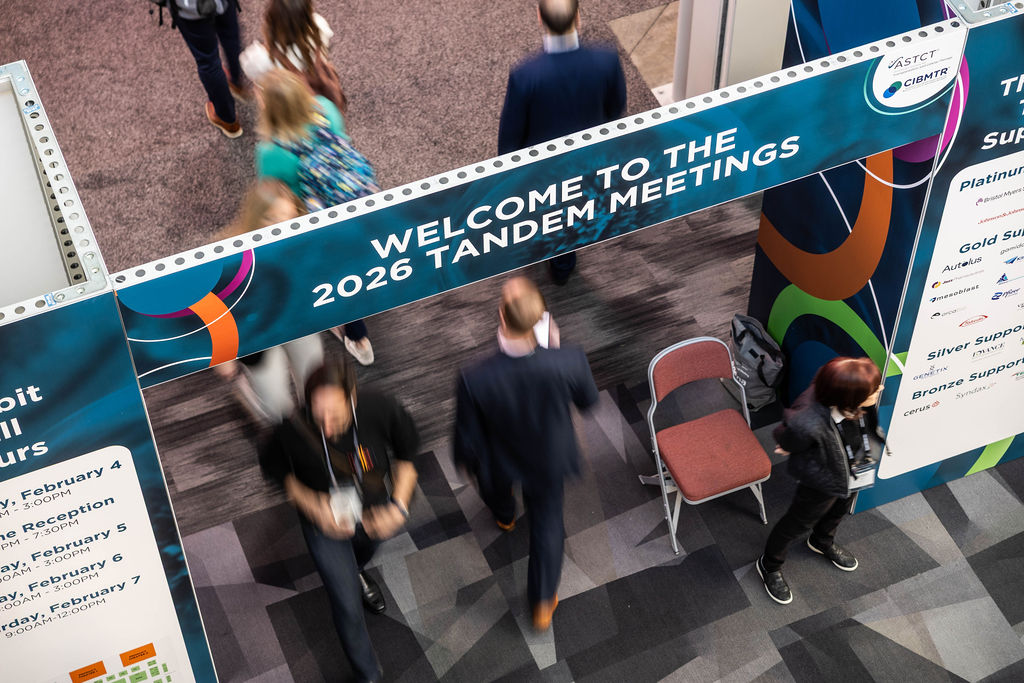
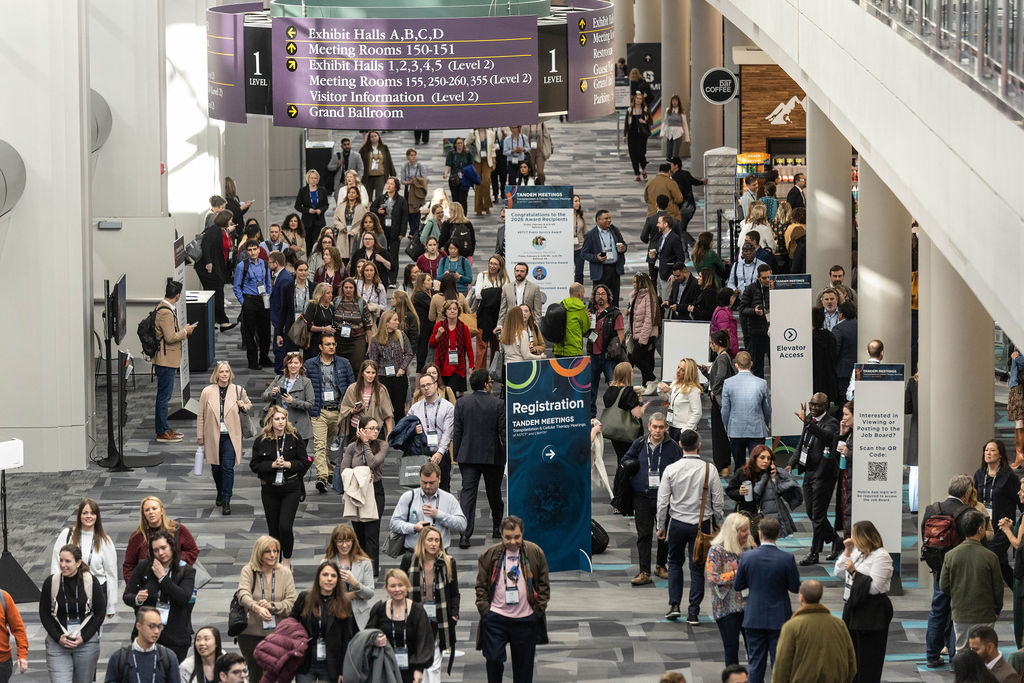
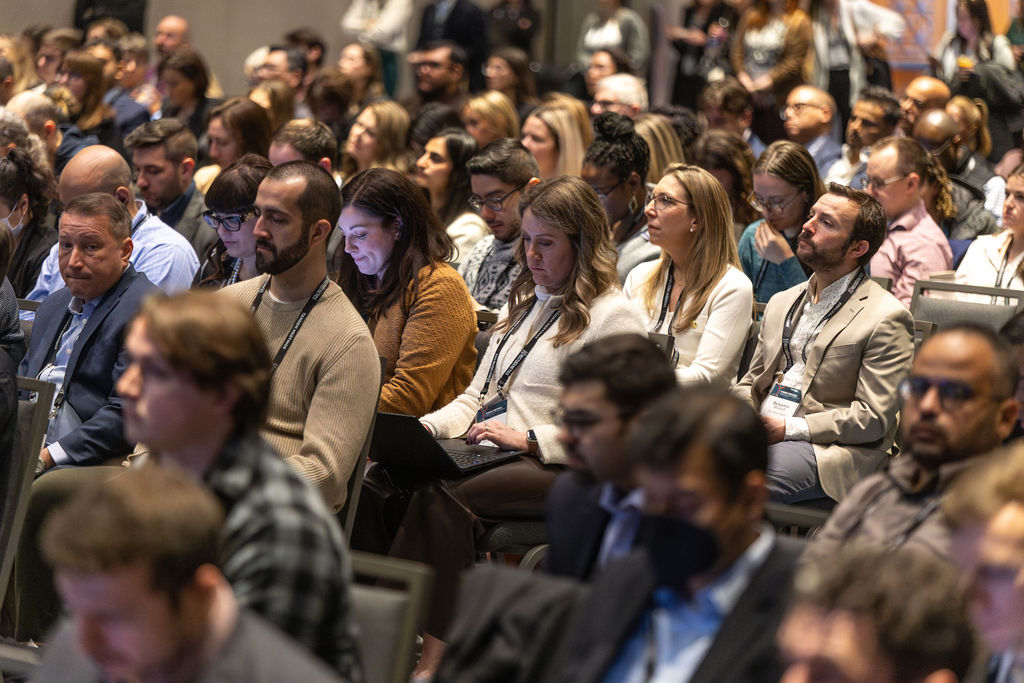
We are pleased to share that 5,697 participants from 58 countries joined us for the 2026 Tandem Meetings, held February 4-7, 2026, at the Salt Palace Convention Center in Salt Lake City, Utah, with pre‑conference sessions on February 3. Attendance included 75% in person and 25% digital access participants, underscoring the Tandem Meetings’ continued global reach.
View Full Story
Scientific Program Highlights
 |
 |
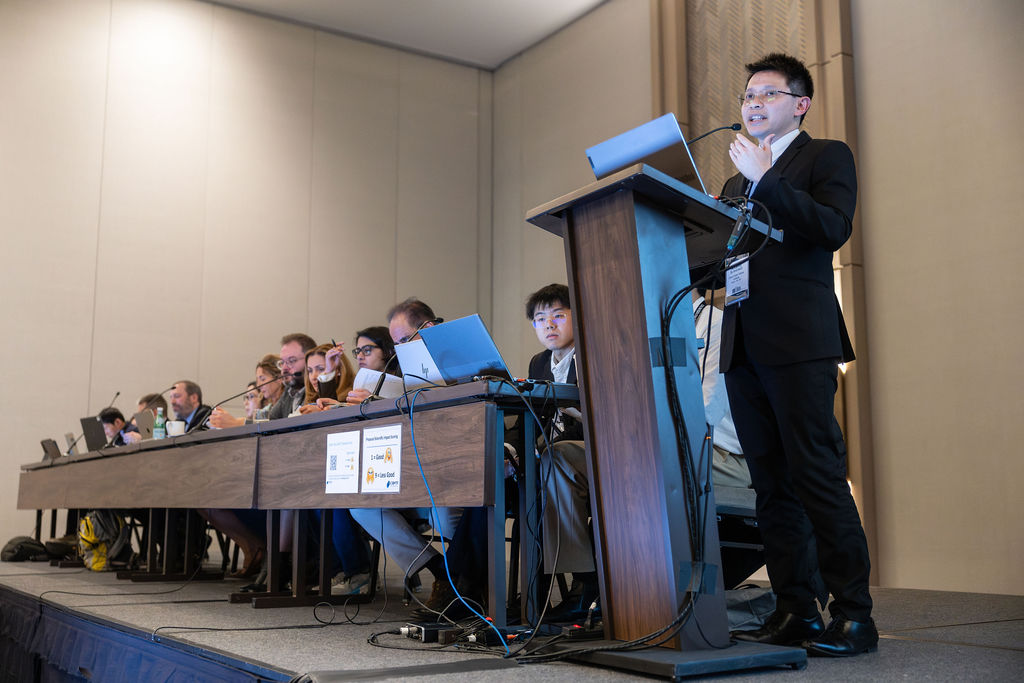
Program Co‑Chairs Betty Hamilton, MD, and Stephan Grupp, MD, PhD, together with the Scientific Organizing Committee, curated a robust and impactful educational program spanning plenary, concurrent, and interactive sessions. Educational offerings included:
- 59 Scientific Plenary and Concurrent presentations
- 9 CIBMTR Working Committee Meetings, plus an additional interactive session, “Inside CIBMTR: Meet the Teams Powering Progress”
- 12 ASTCT Spotlight Sessions
- 12 Meet‑the‑Professor Sessions
- 9 Educational Tracks
- 7 Satellite Symposia Sessions
- 16 Oral Abstract Sessions, plus 7 Educational Track-specific Best Abstract Sessions
- 797 Poster Abstracts, featured during the Poster Reception: Meet the Authors
The Tandem Meetings featured concurrent sessions spanning multiple focus areas and encouraged attendees to take advantage of the on‑demand session recordings, which generated more than 26,000 unique views over one month.
Session Recording Access
 |
 |
Registered attendees may continue to view session recordings from the 2026 Tandem Meetings on the Recording List page of the online program by using the Filter to change Content to “On Demand Sessions” or through this link. To view recordings, log in with your registrant ID (from your registration confirmation email) and last name.
Individuals who did not register for the Tandem Meetings may purchase access to individual sessions, full tracks, or the entire program, by accessing the Recording Purchase page through this link. Access to individual sessions starts at $20.
Awards & Honorific Lectures
The 2026 Tandem Meetings proudly recognized outstanding contributions and leadership through the following awards and lectures:
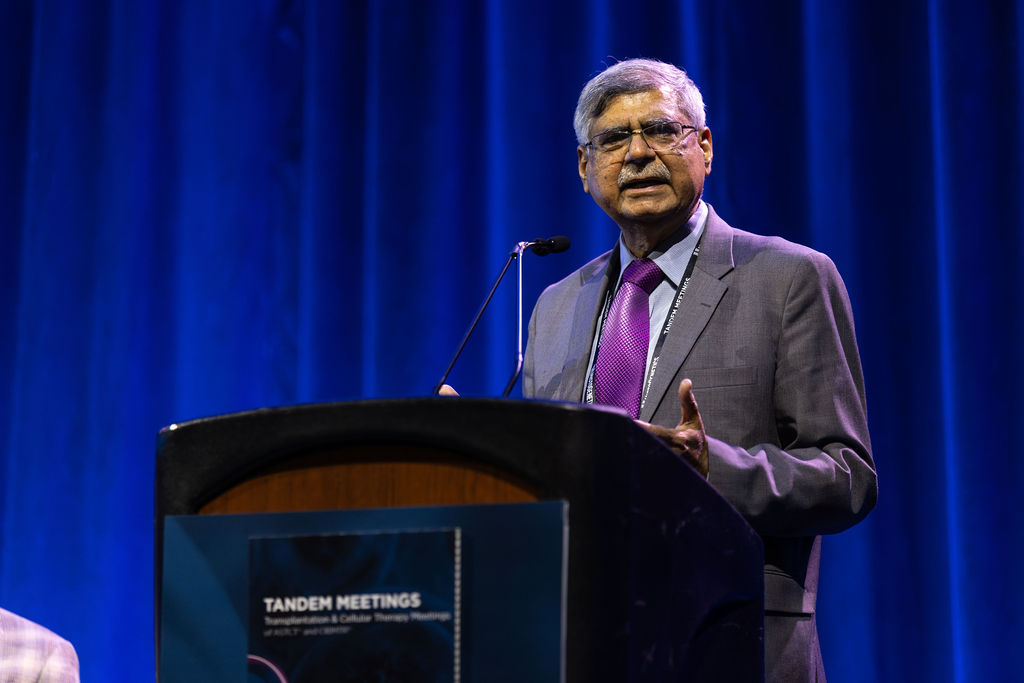
- CIBMTR Distinguished Service Award
Parvez Ahmed, MBBS, FCPS
- ASTCT Lifetime Achievement Award
Robert Negrin, MD - CIBMTR Mortimer M. Bortin Lecture “Waiting Until Evening to See How Splendid the Day Has Been: Aging and Transplant at the Extremes of the Lifespan”
Stella Davies, MBBS, PhD, MRCP
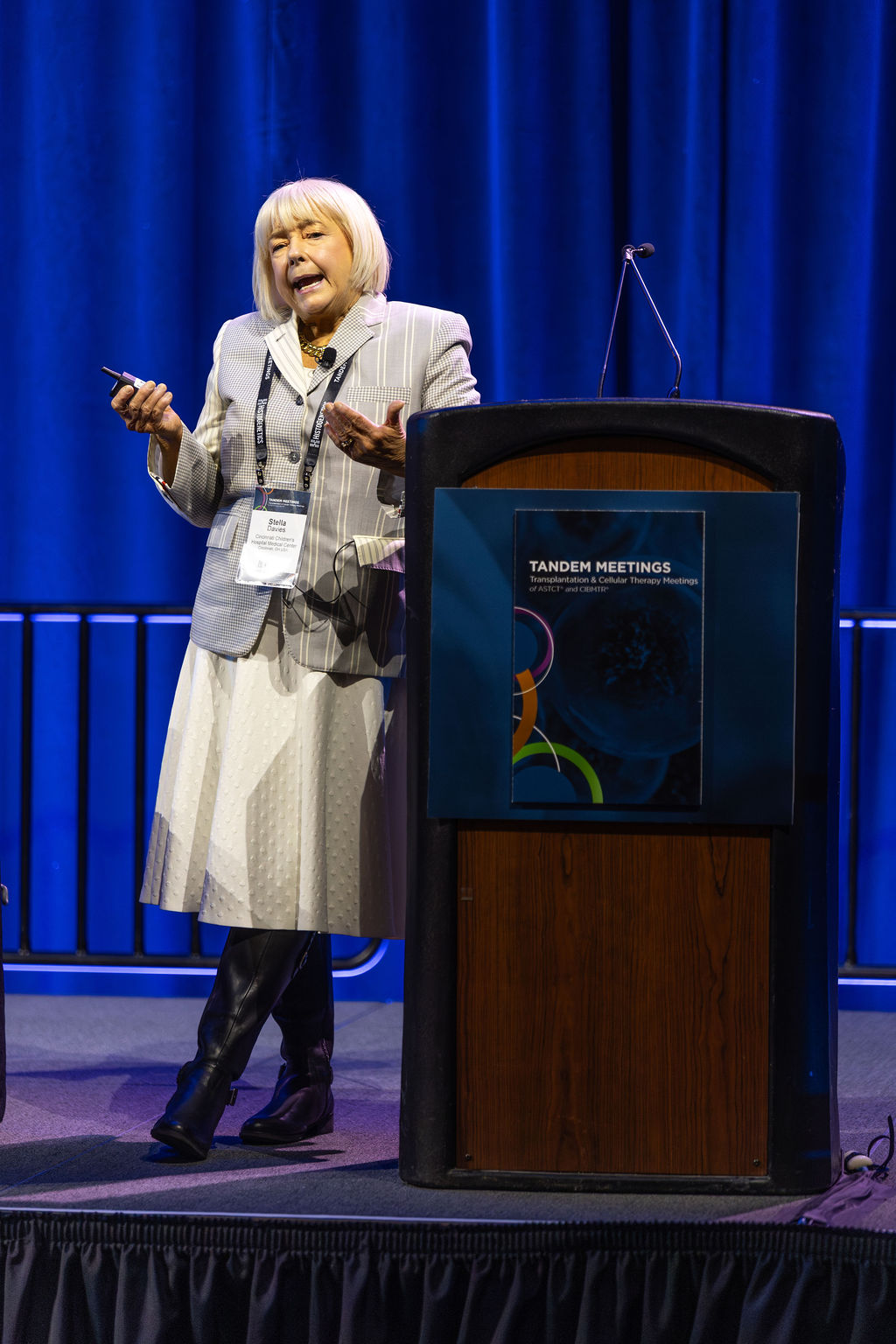
- ASTCT E. Donnall Thomas Lecture “Immune‑Mediated Side Effects and Cancer Immune Escape After Immunotherapy”
James Ferrara, MD, DSc
Networking & Community
Attendees connected throughout the week via a wide range of networking opportunities, including:
- Tandem Meetings Welcome Reception
- Poster Reception: Meet the Authors
- Tandem Meetings Closing Reception
The program also fostered community engagement through the Exhibit Hall and Tandem Meetings HUB, Product & Innovation Theaters, and interactive experiences that encouraged collaboration and conversation.
Thank You
On behalf of the ASTCT & CIBMTR Tandem Meetings Planning Team, we extend our sincere thanks to the speakers, moderators, abstract reviewers, committee members, exhibitors, sponsors, content experts, abstract submitters, volunteers, and attendees whose dedication and expertise made the 2026 Tandem Meetings a resounding success.
We look forward to welcoming you to the 2027 Tandem Meetings, to be held February 17-20, 2027, at the World Center Marriott in Orlando, Florida. We will share additional details in the coming months at:
2027 Tandem Meetings | Transplantation & Cellular Therapy Meetings of ASTCT and CIBMTR
Questions? Contact TandemMeetings@mcw.edu
Join the conversation: #Tandem27
2026 Tandem Meetings: Clinical Research Professionals / Data Management Track
By Jillian Kissinger, BSN, RN, CPTM
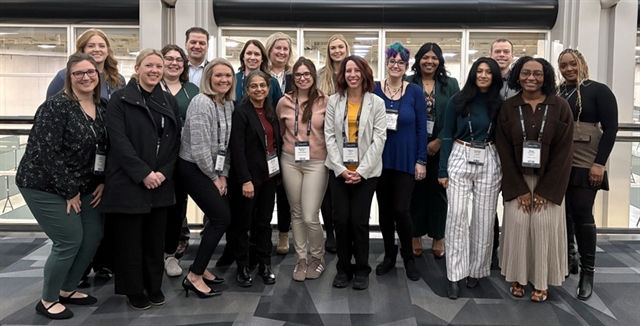
Pictured above: CIBMTR Data Operations staff during the 2026 Clinical Research Professionals / Data Management Track.
CIBMTR Data Operations proudly hosted a highly successful Clinical Research Professionals / Data Management (CRP/DM) Track at the 2026 Tandem Meetings, held in Salt Lake City, Utah, on February 3-4. More than 200 attendees joined us in person, contributing to two days of exceptional engagement, collaboration, and learning. The enthusiasm and expertise brought by our community helped make this year’s track one of our most impactful yet.
View Full Story
This year, we were excited to highlight several data professional speakers who co-presented during key sessions, including “Reporting Spotlight: Graft vs. Host Disease,” “Form Spotlight: Multiple Myeloma,” and “Strategies for a Successful CIBMTR Audit.” In addition to the subject-matter expertise provided by physician and CIBMTR staff presenters, the incorporation of data professionals’ real-world perspectives added valuable insight into the challenges and triumphs that centers encounter in these critical reporting areas.
We also featured a forward-looking session, “Center Idea Sharing: Transforming Data Management with AI and Your EHR.” Samantha Knott from Moffitt Cancer Center shared how she is integrating AI into her center’s reporting workflows—boosting efficiency, saving time, and improving data accuracy.
Continuing the theme of elevating the voices of data professionals, this year's agenda introduced a brand-new roundtable session. Attendees sat with peers to exchange practical strategies on topics such as onboarding and team structure, effective tools and workflows, and common center-specific challenges. Participant feedback identified these roundtable discussions as one of the most beneficial aspects of the conference, and we are excited to expand them further in 2027.
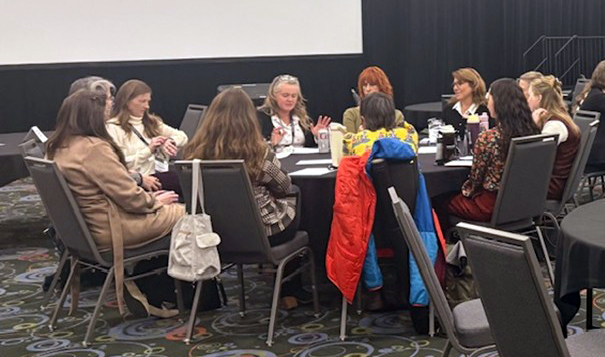
Pictured above: A group of attendees engaged in a conversation during the “Center Idea Sharing: Round Table” discussions.
Additional track highlights included the session, “Data Operations: Progress, Priorities, and the Path Ahead,” during which presenters provided meaningful updates and highlighted key priorities across CIBMTR’s data, service, and systems goals. Clinical content remained a central component of the program as well, with reporting spotlights on multiple myeloma and GVHD, case studies that took deep dives into real-world scenarios, and a review of frequently asked questions from the previous year.
We were also pleased to honor Molly Denlinger from Sarah Cannon Transplant and Cellular Therapy Network – Nashville, who received this year's best oral abstract award for her presentation, “Data Management Staffing Estimation Tool.”
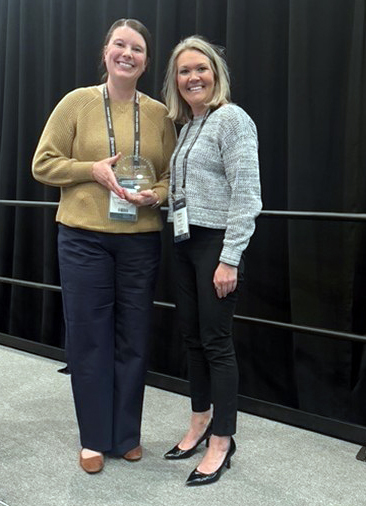
Pictured above: Best CRP/DM track oral abstract recipient, Molly Denlinger, poses for a photo with Eileen Tuschl, Director of CIBMTR MCW Data Operations.
Additional oral abstract presentations included:
- “Enhancing GVHD Data Quality through Integrated Adjudication and Real-Time Clinical Collaboration,” presented by Courtney McShane, Dana-Farber Cancer Institute / Boston Children’s Hospital
- “Requirements Analysis of Critical Data Elements in BMT to Streamline Data Management for Enhanced Efficiency, Precision, and Performance,” presented by Caroline Snyder, Children’s Healthcare of Atlanta
You can now access presentation slides from the 2026 Clinical Research Professionals / Data Management Track on the CIBMTR Portal > Training & eLearning Tile > Tandem Meetings: CRP/DM Track. We will add session recordings later this year.
A sincere thank you to everyone who completed the session evaluations. Your perspectives and suggestions guide our continuous improvement efforts and help us ensure that each year’s track is as meaningful, relevant, and impactful as possible. We look forward to seeing you next year in Orlando, Florida, for more collaboration, center idea sharing, and the latest updates from CIBMTR Data Operations!
BMT CTN Spotlight
By Mykala Heuer, BSN

The BMT CTN is in its fifth grant cycle and has now enrolled more than 17,300 patients. The Network was established in 2001 and is funded by the NHLBI and NCI.
View Full Story
Clinical Trials: Open Enrollment
Widespread participation from the transplant community is a key priority for BMT CTN clinical trials. If your center is interested in participating, please visit the BMT CTN website.
The BMT CTN currently supports 8 active trials: 4 BMT CTN-led studies and 4 studies led by other groups in collaboration with BMT CTN.
Status of BMT CTN-Led Trials
- [Open for Site Participation] BMT CTN 2302 – Facilitating Activation of Study Trials (FAST) which is a time-and-motion study to understand the infrastructure, processes, barriers and effective and ineffective center practices related to activation of a cooperative group trial.
- If your center is participating in BMT CTN 2203 or BMT CTN 2207, please consider participating.
- [Enrollment Paused] BMT CTN 2203 – A randomized, multicenter, Phase III trial of tacrolimus / methotrexate / ruxolitinib versus post-transplant cyclophosphamide / tacrolimus / mycophenolate mofetil in non-myeloablative / reduced intensity conditioning allogeneic peripheral blood stem cell transplantation
- Enrollment is currently paused for the 50-patient run-in analysis. Phase III enrollment is expected to resume in the second quarter of 2026.
- [Open to Accrual] BMT CTN 2207 – A Phase II trial of non-myeloablative conditioning and transplantation of haploidentical related, partially HLA-mismatched, or matched unrelated bone marrow for newly diagnosed patients with severe aplastic anemia
- This trial also offers a proactive financial navigation service as part of a BMT CTN access to clinical trials initiative.
- [Recently Released to Centers] BMT CTN 2402 - HCT and gene therapy for non-malignant blood disorders biobank resource
- This protocol was released to centers on December 29, 2025. Sites are undergoing activation processes.
BMT CTN Publications
There are 212 BMT CTN published articles, including 49 primary analyses. Researchers published 2 manuscripts in 2026:
- 1702: Pidala J, Logan B, Lee S, et al. Donor search and selection strategy to facilitate comparable transplant rates across donor search prognosis groups: A report from the BMT CTN 1702 trial. Transplantation and Cellular Therapy. doi:10.1016/j.jtct.2026.01.014. Epub 2026 Jan 15.
- 0201 /1202: Martens MJ, Dutta D, Yu Y, et al. The BIOPREVENT machine-learning algorithm predicts chronic graft-versus-host disease and mortality risk using posttransplant biomarkers. The Journal of Clinical Investigation. 2026 Feb 16; doi:10.1172/JCI195228. PMC12904722.
About the BMT CTN
CIBMTR shares administration of the BMT CTN Data and Coordinating Center with NMDP and The Emmes Company. Together, these three organizations support all BMT CTN activities. The BMT CTN Steering Committee is currently under the leadership of Stephanie Lee, MD, (Fred Hutchinson Cancer Center) as Steering Committee Chair; Miguel-Angel Perales, MD, (Memorial Sloan Kettering Cancer Center) as Steering Committee Chair-Elect; and John Levine, MD, (Mount Sinai) as Steering Committee Past Chair.
To get up-to-date information about BMT CTN studies, meetings, and news be sure to follow us on X (Previously known as Twitter): @BMTCTN
ACT Corner
Adoptive Cellular Therapies Stakeholder's Council
CIBMTR’s ACT Stakeholder’s Council met at the 2026 Tandem Meetings in Salt Lake City, Utah, to discuss priorities for 2026 as we expand our ACT research portfolio and further streamline data collection and collaboration with our community of contributing centers. In 2026, the ACT Stakeholder’s Council will continue to expand and optimize the database to capture data on new cellular therapy products for expanding indications in cell and gene therapy. With the growing field of solid tumor cellular therapy, we hope to utilize CIBMTR infrastructure to expand data capture to include more diseases and products.
View Full Story
Adoptive Cellular Therapy Data Collection
CIBMTR released the newly revised CIBMTR Cellular Therapy Essential Data forms (version 10), which include updates aligned with upcoming ASTCT toxicity grading recommendations. Highlights include treatment date details for cytokine release syndrome, immune effector cell-associated HLH-like syndrome diagnostic criteria and grading, and an updated neurotoxicity section covering non-immune effector cell-associated neurotoxicity syndrome and tumor inflammation-associated neurotoxicity. We welcome the community’s feedback on these updates.
Gene therapies reported to CIBMTR continue to grow in 2026. CIBMTR collaborates with two pharmaceutical companies that use our infrastructure to support their regulatory needs for long-term follow-up of patients receiving commercial gene therapy products. CIBMTR is also collaborating with the CMS Innovation Center on a study supporting the CMS Innovation Center’s Cell and Gene Therapy Access Model for Sickle Cell Disease data requirements, developing innovative linking and data sharing approaches, and expanding ePRO data collection, including pediatrics.
Publicly Available Datasets
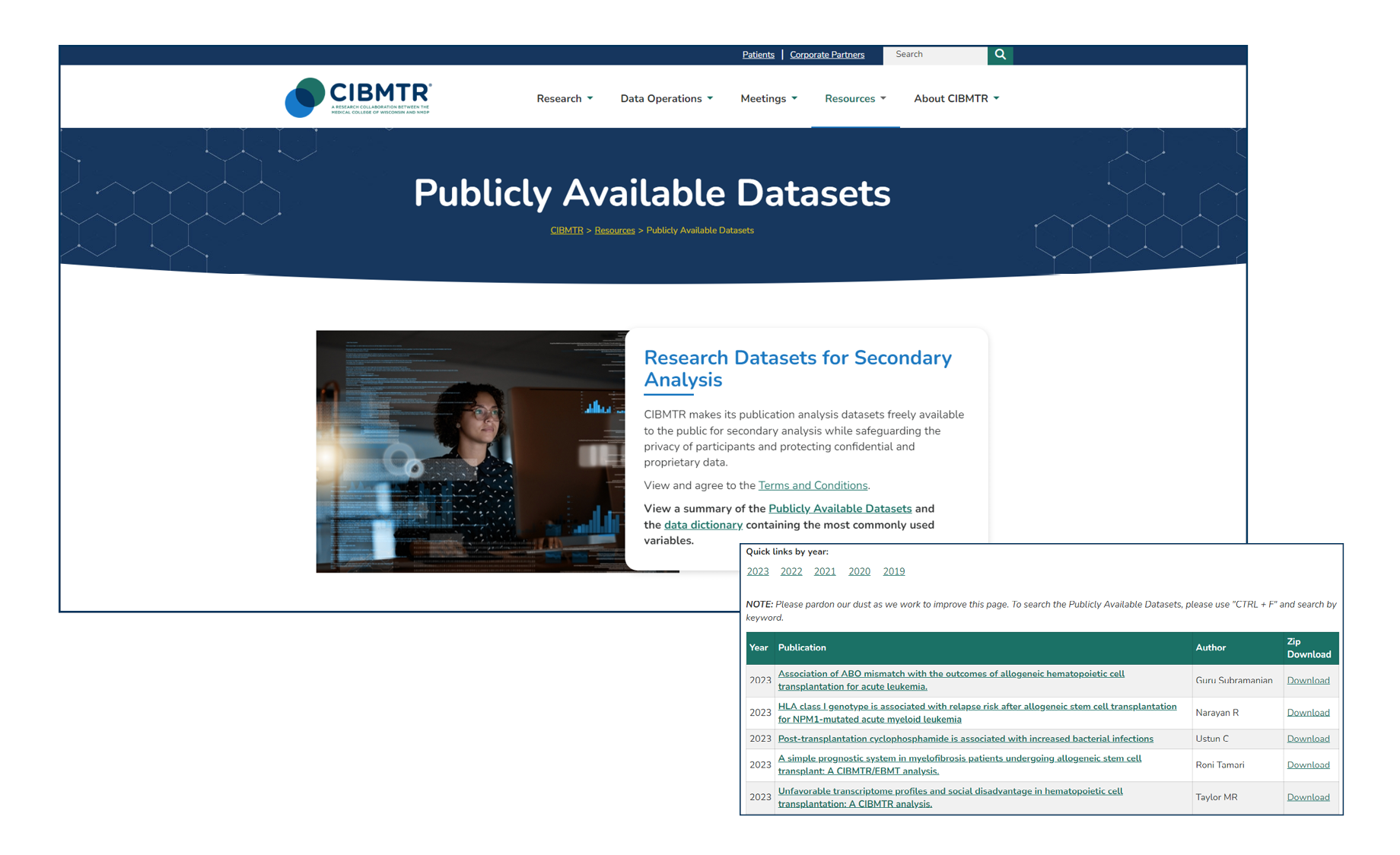 UPDATED: View a summary of the Publicly Available Datasets and the data dictionary containing the most commonly used variables. Use the data dictionary to help identify which dataset you would like to download.
View Full Story
In accordance with the NIH Data Sharing Policy and NCI Cancer Moonshot Public Access and Data Sharing Policy, CIBMTR makes the final datasets from published studies publicly available on CIBMTR’s Research Datasets for Secondary Analysis webpage. These publication analysis datasets are freely available to the public for secondary analysis.
While providing these data, CIBMTR is committed to safeguarding the privacy of participants and protecting confidential and proprietary data. Upon accessing the datasets page on CIBMTR’s public website, the viewer is notified that the dataset was collected by CIBMTR, and CIBMTR’s supporters are listed. The webpage also clearly notes the terms and conditions of dataset usage.
Share Research in Plain Language
By Jennifer Motl
Our study summaries page just got a major upgrade! Search by category, and find what you need faster, at cibmtr.org/summaries.
These new plain-language summaries of CIBMTR research may help your patients:
View Full Story
|
|
New tool predicts acute graft-vs-host disease after transplant, read more |
|
|
|
CHARM predicts who may need extra care after transplant, read more |
|
|
|
People with sickle cell trait can safely donate bone marrow, read more | |
|
|
Graphs can help patients and doctors see healing over time, read more | |
|
|
Some children with SCID might not need chemotherapy before transplant or GVHD medicines after transplant, read more | |
|
|
Some people who live alone are denied a transplant, read more |




Find more summaries at:
Our Supporters
CIBMTR is supported primarily by Public Health Service U24CA076518 from the National Cancer Institute (NCI), the National Heart, Lung and Blood Institute (NHLBI), and the National Institute of Allergy and Infectious Diseases (NIAID); U24HL138660 from NHLBI and NCI; 75R60222C00008, 75R60222C00009, and 75R60222C00011 from the Health Resources and Services Administration (HRSA).
View Full Story
Additional federal support is provided by OT3HL147741, P01CA111412, R01CA100019, R01CA218285, R01CA231838, R01CA262899, R01AI128775, R01AI150999, R01AI158861, R01FD008187, R01HL171117, R21AG077024, U01AI069197, U01AI184132, U24HL157560, and UG1HL174426.
Support is also provided by Australian Bone Marrow Donor Registry; Boston Children’s Hospital; Fred Hutchinson Cancer Center; Gateway for Cancer Research, Inc.; Jeff Gordon Children’s Foundation; Medical College of Wisconsin; NMDP; Patient Center Outcomes Research Institute; PBMTF; St. Baldricks’s Foundation; Stanford University; Stichting European Myeloma Network (EMN); and from the following commercial entities: AbbVie; Actinium Pharmaceuticals, Inc.; Adaptimmune LLC; Adaptive Biotechnologies Corporation; ADC Therapeutics; Adienne SA; Alexion; AlloVir, Inc.; Amgen, Inc.; Astellas Pharma US; AstraZeneca; Atara Biotherapeutics; Autolus Limited; Beam; BeiGene; BioLineRX; Blue Spark Technologies; Blueprint Medicines; Bristol Myers Squibb Co.; CareDx Inc.; CSL Behring; CytoSen Therapeutics, Inc.; DKMS; Eurofins Viracor, DBA Eurofins Transplant Diagnostics; Gamida-Cell, Ltd.; Genetix; Gift of Life Biologics; Gift of Life Marrow Registry; HistoGenetics; ImmunoFree; Incyte Corporation; Iovance; Janssen Research & Development, LLC; Janssen/Johnson & Johnson; Japan Hematopoietic Cell Transplantation Data Center; Jasper Therapeutics; Jazz Pharmaceuticals, Inc.; Karius; Kashi Clinical Laboratories; Kiadis Pharma; Kite Pharma Inc; Kite, a Gilead Company; Kyowa Kirin International plc; Labcorp; Legend Biotech; Mallinckrodt Pharmaceuticals; Med Learning Group; Medac GmbH; Medexus; Merck & Co.; Mesoblast, Inc.; Millennium, the Takeda Oncology Co.; Miller Pharmacal Group, Inc.; Miltenyi Biotec, Inc.; MorphoSys; MSA-EDITLife; Neovii Pharmaceuticals AG; Novartis Pharmaceuticals Corporation; Omeros Corporation; Orca Biosystems, Inc.; OriGen BioMedical; Ossium Health, Inc.; Pfizer, Inc.; Pharmacyclics, LLC, An AbbVie Company; Pierre Fabre Pharmaceuticals; PPD Development, LP; Registry Partners; Rigel Pharmaceuticals; Sanofi; Sarah Cannon; Seagen Inc.; Servier; Sobi, Inc.; Sociedade Brasileira de Terapia Celular e Transplante de Medula Óssea (SBTMO); Stemcell Technologies; Stemline Technologies; STEMSOFT; Syndax; Takeda Pharmaceuticals; Talaris Therapeutics; Therakos; Tscan Therapeutics; Vertex Pharmaceuticals; Vor Biopharma Inc.; Xenikos BV.
Careers
Job opportunities on both the CIBMTR MCW and CIBMTR NMDP campuses are listed on CIBMTR’s Careers webpage.
Abbreviations
Need an acronym defined? Review our list of common abbreviations.