
Data Collection

Collecting Data
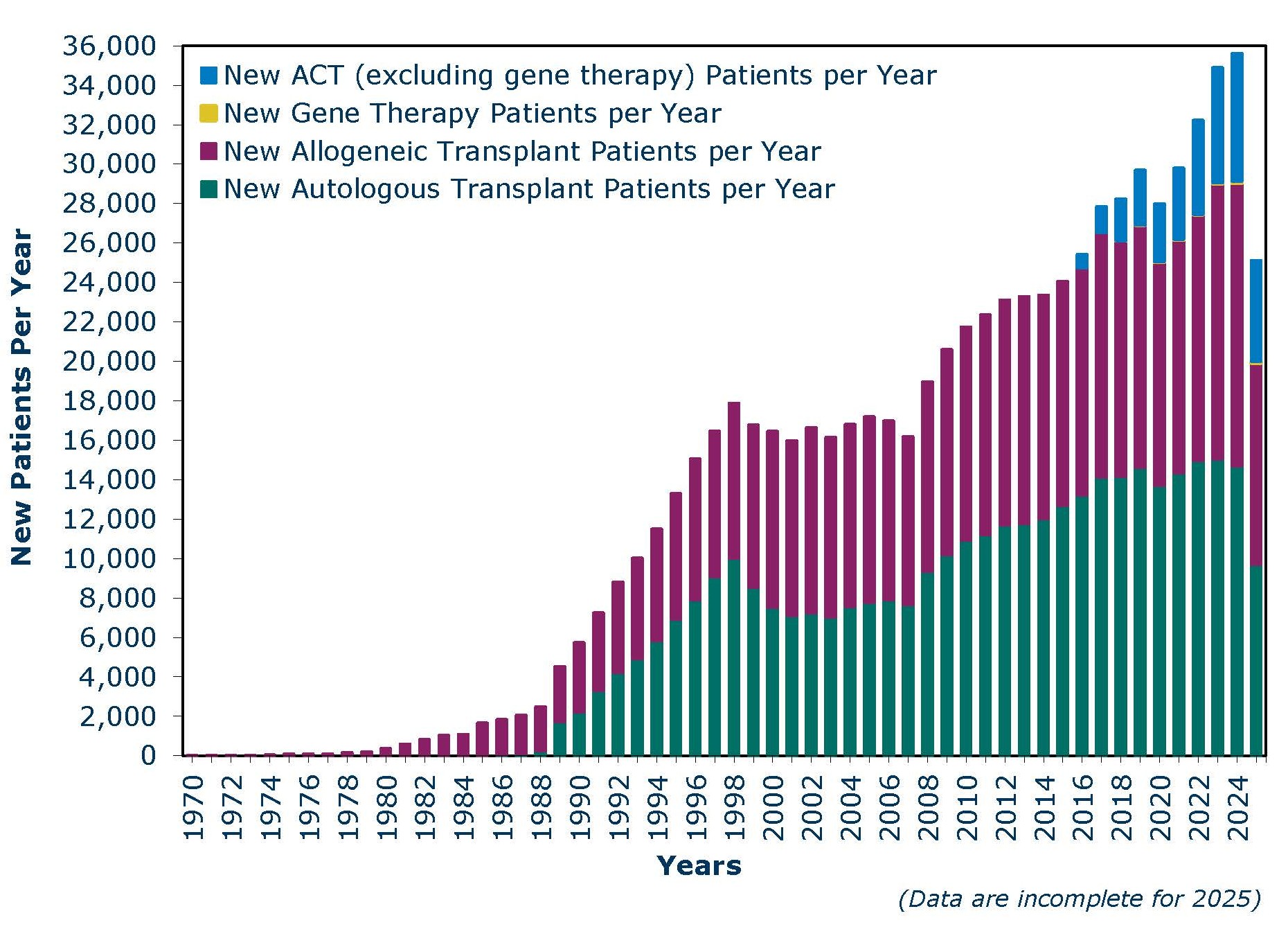
CIBMTR has collected health outcomes data worldwide for 50+ years, resulting in an Outcomes Database with information from 750,000+ patients. Committed to collecting a broad spectrum of data to serve the research community, CIBMTR collects data related to:
CIBMTR collects data for approximately 35,000 new patients annually as well as a continually increasing volume of follow-up data on previously reported recipients and donors.
Hematopoietic Cell Transplantation (HCT)
CIBMTR collects HCT data at two levels: A Transplant Essential Data (TED) level and a Comprehensive Report Form (CRF) level. TED-level data comprise an internationally accepted standard data set that contains the key clinical variables for all consecutive transplant recipients. CRF-level data capture additional detail regarding patient, disease, and treatment-related data.
Adoptive Cellular Therapies
In addition to receiving data on transplant recipients, CIBMTR receives data about patients who received adoptive cellular therapies. CIBMTR continues to expand and optimize its Outcomes Database to appropriately capture data on new cell and gene therapy products and interact with cell and gene therapy manufacturers.
- CAR-T. Most cellular therapy activity is focused on the use of chimeric antigen receptor (CAR)-T cells for hematologic cancers. CIBMTR collects these data via a suite of CTED forms and continues to work with international registries to review and harmonize data collection globally.
- Gene Therapy. CIBMTR collects gene therapy data on CIBMTR’s Gene Therapy Product form and Post-Transplant Gene Therapy Persistence form. In 2024, CIBMTR updated its thalassemia, adrenoleukodystrophy, and sickle cell disease-specific forms in line with commercial approval of gene therapies for these indications, and it launched new forms to collect transfusions and bone marrow evaluations following gene therapy.
Patient-Reported Outcomes (PRO)
CIBMTR collects PRO data directly from patients. These data include quality of life, biologic and physiologic variables, symptom status, functional and financial status, and general health perceptions.
For more information, visit the Patient-Reported Outcomes (PRO) Data Collection page.