Some children with SCID might not need chemotherapy before transplant or GVHD medicines after transplant
Important points
With matched sibling donors, complications are rare
With matched sibling donors, complications are rare
Blood or marrow transplant (BMT) can cure severe combined immunodeficiency, or SCID. But therapies given before and after BMT can have serious effects. A new study showed that some children can skip those therapies.
The study looked at children with SCID. These children were born without a working immune system. So, they needed BMT to help them fight infections. All the children got BMT from a matched sibling, during 1980 to 2023, in North America.
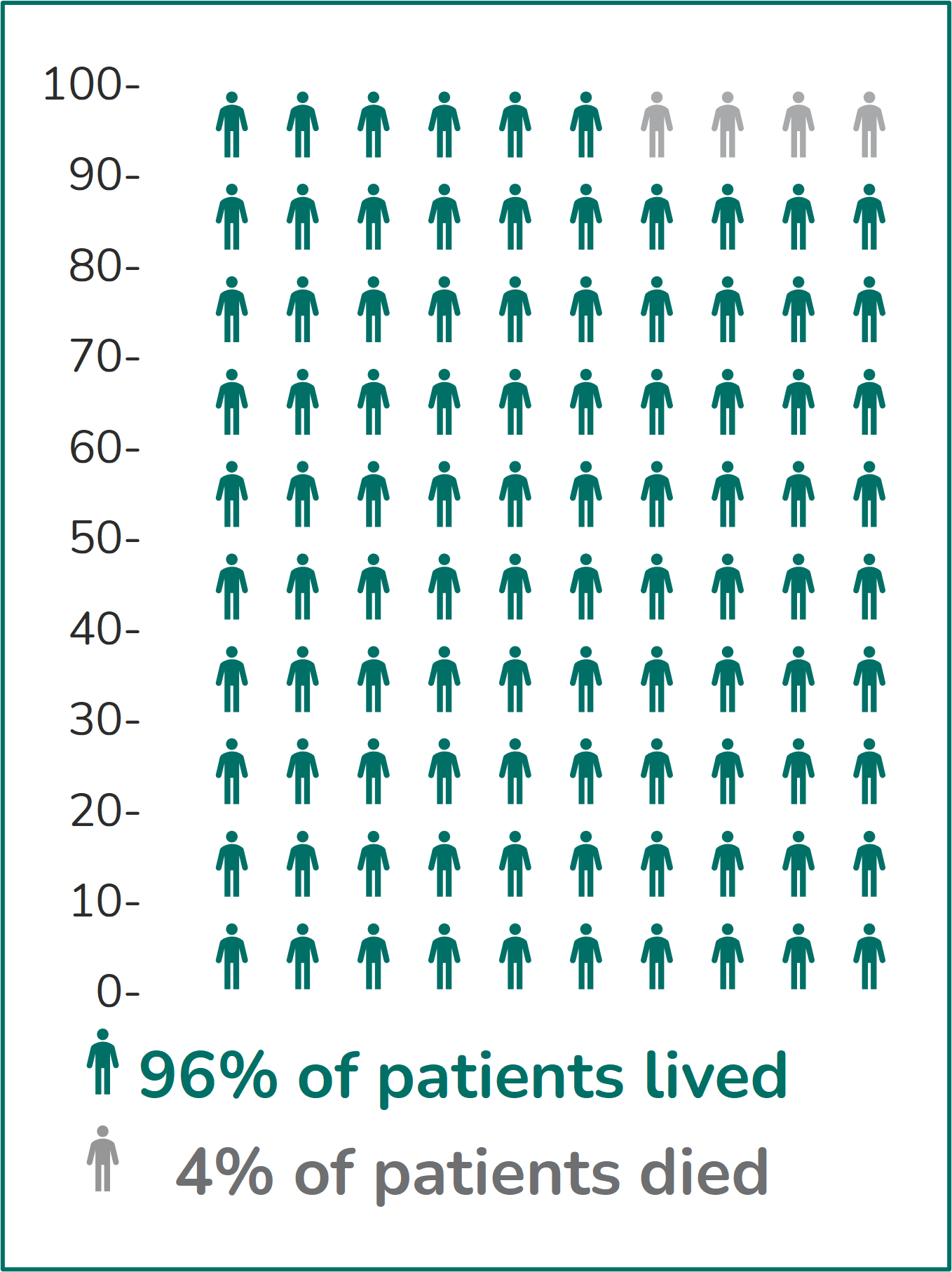
Most children (96%, or 96 out of 100) were alive 5 years after BMT. And 2 years after transplant, only 6% (6 out of 100 children) had chronic graft-versus-host disease (GVHD). GVHD can be a serious effect where donated cells attack the patient’s body.
The researchers also found:
- Healthier children had a better chance of being alive 5 years after BMT than children who had serious infections or growth problems just before or during BMT.
- Neither chemotherapy before BMT nor medicines to prevent GVHD improved the chances of being alive 5 years after BMT
- Children with uncommon types of SCID did not rebuild their immune system as well after BMT: leaky SCID, Omenn syndrome, and certain gene mutations.
Keep in mind
Skipping chemotherapy before transplant (conditioning) and GVHD-prevention medicine may be safe for children with typical SCID, but more research is needed. Conditioning therapies and GVHD medicines can have serious effects, but they may increase the success of BMT and prevent serious problems. Some children may need these therapies.
Ask your doctor
Ask your child’s doctor about your child’s type of SCID and the possible benefits and harms of transplant, conditioning, and GVHD prevention.
This plain-language summary was written by Jennifer Motl at the Medical College of Wisconsin and reviewed by an author of the full article. ©2026 by CIBMTR, license CC BY-SA 4.0.
Learn more about
- Clinical trials for SCID at CTsearchsupport.org
- More study summaries at CIBMTR.org
- NMDP Patient Support Center at NMDP.org or 1 (888) 999-6743
Source
Rayes A, Logan BR, Liu X, et al. Outcomes Following Matched Sibling Donor Transplantation for Severe Combined Immunodeficiency: A Report from the PIDTC. Blood Advances. 2025. Epub 2025 November 25. doi: 10.1182/bloodadvances.2025016812. PubMed PMID: 41289158.
About this research summary
CIBMTR® (Center for International Blood and Marrow Transplant Research®) thanks study participants. This information is provided on behalf of the Consumer Advocacy Committee of CIBMTR. CIBMTR is a research collaboration between the Medical College of Wisconsin and NMDP.