August 2026 Newsletter
Perspectives: Happy 250th Birthday America!
By Sumithira Vasu, MBBS, MD
 As we celebrate the 250th anniversary of America’s founding, I reflect on the gravity of this idea as an American by choice. I have now spent more than half of my life in America, and I reflect on how her ideals of life, liberty, and the pursuit of happiness permeate the fabric of this society.
View Full Story
A Mennonite patient of mine relapsed after an allograft and succumbed to fulminant ALL after many investigative treatments. Following his death, his family sent me twenty letters thanking my team and me for caring for him, consoling me that I had done my best, and reassuring me that he was happy in heaven, free of ALL. Every year since, to this day, on the anniversary of his death, his widow Edith (story shared with her permission) visits the clinic with her daughters. During the pandemic, when the clinic did not allow visitors, Edith invited me to come to her home.
Months later, I took my then 7-year-old daughter and drove across rural Ohio, on a single lane road, where the vast cornfield landscape was dotted by houses every couple of miles. I didn’t quite know what to expect. We spent a few hours together watching all three girls play without socks in the dirt on a chilly December day. I was pleasantly surprised that Edith had cooked a vegetarian meal for us. Edith’s girls asked a lot of questions about my faith and rationale for dietary preferences and took it all in with an open mind. Their devotion, innocence, and simple living touched me. Growing up fatherless and with a mother who worked outside the home, quite uncommon in the Mennonite tradition, they articulated their dreams of working in health care one day while adhering to their conservative faith traditions. We hugged and cried, prying the girls apart from their newfound friends and parted ways.
As I drove back, I reflected on how much we shared in our humanity and the bonds of grief and sadness that were the core of that relationship. Externally we had nothing in common, yet we sat together, sharing a meal in deep rural Ohio, looking at wedding photos while the girls were playing board games together.
A month ago, at ASGCT, I listened to the keynote speaker, Terry Pirovolakis, narrate his journey of developing an n=1, first-in-human individualized gene therapy study in a record breaking 2.5 years to treat his son with spastic paraplegia type 50. I watched in awe at what ingenuity, a never-say-die spirit, and research made possible. He showed several photos of the very talented team of experts who came from all around the world to practice medicine and conduct research at America’s finest universities and who are now helping many children with rare diseases.
Do we all have to endure personal tragedy or witness intense suffering to recognize our shared humanity and our purpose of serving others during their time of need? I hope not. Edith agrees. When we harness what we have in common to improve the wellbeing of many, we embody what America stands for – a refusal to accept the status quo, an indefatigable work ethic, driven by purpose -- to serve and make someone’s life better.
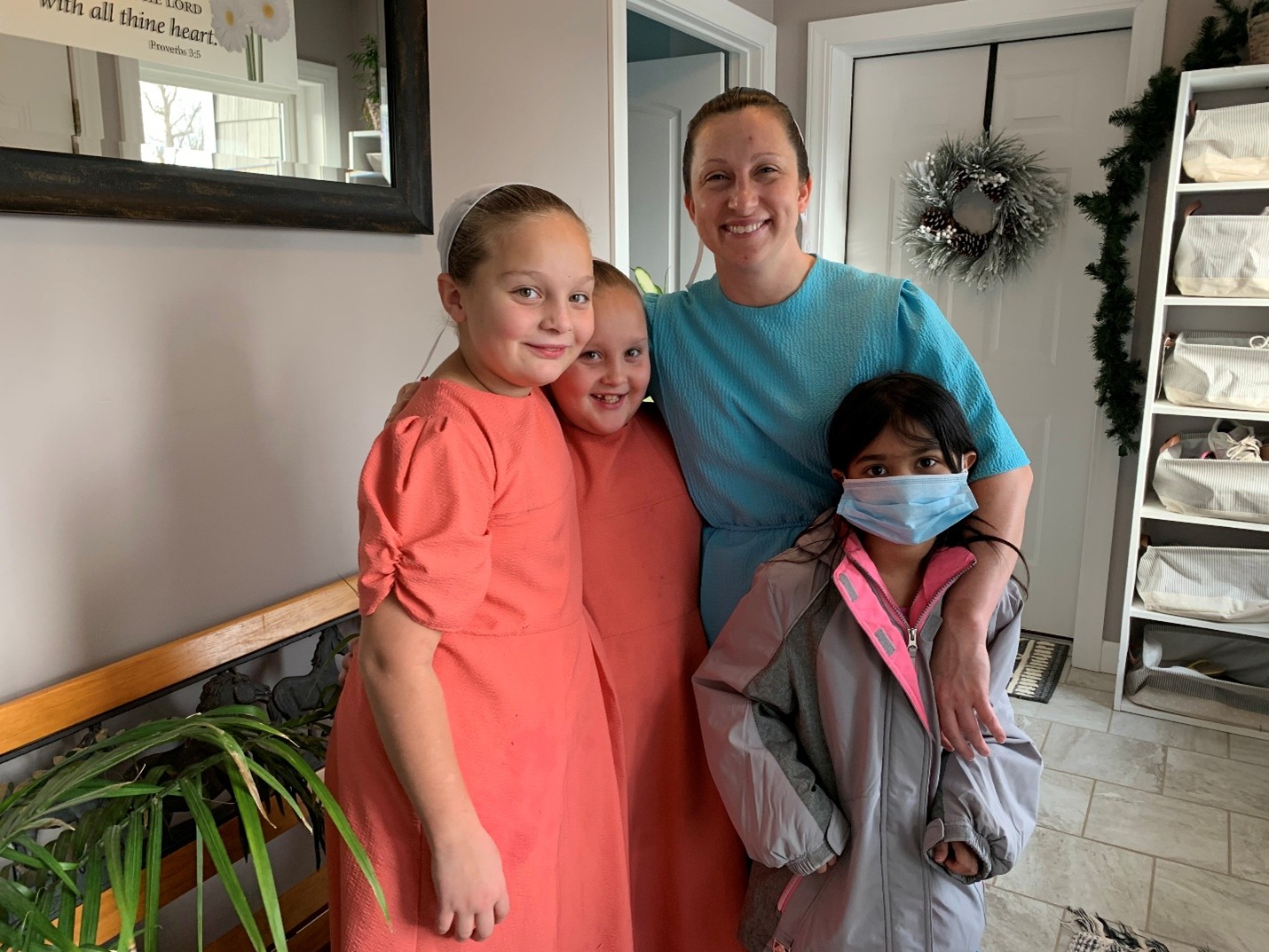
Edith with her daughters and mine, December 2020.
Now Available: 2025 CIBMTR US Summary Slides
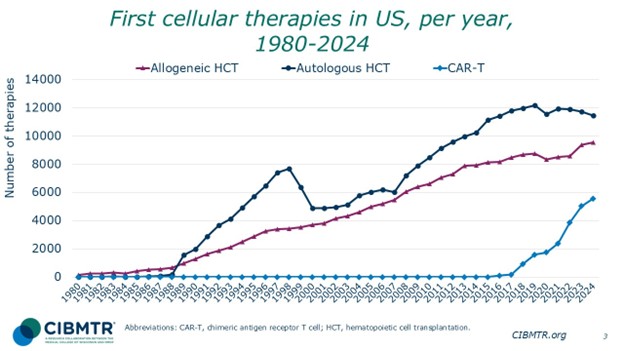
The US Summary Slides are an annual report of data submitted to CIBMTR by US centers. The slides share information related to practices and general survival outcomes after cellular therapies, and the current edition includes procedures performed prior to 2023. View the summary slides on cibmtr.org.
Lymphoma Working Committee
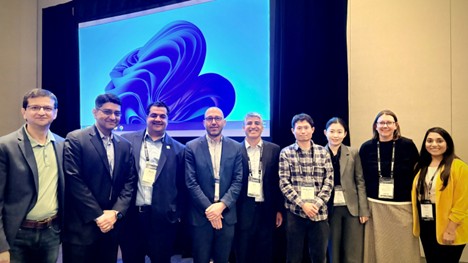
Pictured left to right: Mehdi Hamadani (outgoing scientific director), Farrukh Awan, Mazyar Shadman, Peter Riedell, Alex Herrera (outgoing co-chair), Kwang Woo Ahn, Di Wang, Samantha Jaglowski, and Jinalben Patel.
The Lymphoma Working Committee, one of the first committees CIBMTR established, focuses on HCT and cellular therapy for both Hodgkin and non-Hodgkin lymphomas. The committee has conducted numerous studies addressing a wide range of issues related to these diseases. Since May 2025, when the committee last published in this newsletter, the committee published 7 peer-reviewed manuscripts in Blood, Haematologica, American Journal of Hematology, British Journal of Haematology, and Transplantation and Cellular Therapy. Additionally, the committee helped create guidelines for using HCT and cellular therapy to treat mantle cell lymphoma and diffuse large B-cell lymphoma. Since 2013, Mehdi Hamadani, MD, has shepherded the Lymphoma Working Committee’s impressive cadence of high-quality output. He has shaped the care of lymphoma patients through his tireless efforts and devotion to research. As Dr. Hamadani steps down to dedicate himself to leading the BMT CTN, the Lymphoma Working Committee honors him and the work he has done.
View Full StoryView Less
The increasing adoption of CAR-T cell therapy and allogeneic HCT across a broadening spectrum of lymphoid malignancies has underscored the critical need for robust, registry-based outcomes data. In response, the Lymphoma Working Committee has substantially expanded its research portfolio over the past year, with particular emphasis on rare and aggressive T-cell and NK-cell lymphomas. Within this series, investigators are currently preparing manuscripts on hepatosplenic T-cell lymphoma and subcutaneous panniculitis-like T-cell lymphoma. Researchers are also actively analyzing other rare subsets, including adult T-cell leukemia / lymphoma, monomorphic epitheliotropic intestinal T-cell lymphoma and enteropathy-associated T-cell lymphoma, NK / T-cell lymphoma, angioimmunoblastic T-cell lymphoma and other nodal T-follicular helper cell lymphomas, and mycosis fungoides / Sézary syndrome. Collectively, these studies draw upon CIBMTR’s unique dataset to provide critical real-world evidence to guide the management of these uncommon and historically understudied diseases.
Looking ahead, the committee is piloting a new approach to expedite dissemination of results by exploring the use of existing CIBMTR datasets. This strategy aims to harness currently available data to address key analytic questions more rapidly. These efforts reflect the committee’s commitment to maximizing the impact and timeliness of CIBMTR’s research enterprise across the full spectrum of lymphoma subtypes. With CIBMTR’s robust research database, the Lymphoma Working Committee is uniquely equipped to address knowledge gaps in the field and inform clinical practice in various transplant- and cellular therapy-related matters.
The Lymphoma Working Committee remains extremely active, leveraging the extensive data available in CIBMTR’s Outcomes Database. The table below lists the number of lymphoma transplants that were added to the outcomes database from 2008 through 2024. During the annual committee meeting at the 2026 Tandem Meetings, presenters shared 6 new proposals. More than 120 people attended the Lymphoma Working Committee meeting, and the great involvement from the transplant community continues to help the committee produce timely and substantive research.
Number of Cases Added to CIBMTR Research Database, 2008-2023
| TED-Level Data | CRF-Level Data | |
| Non-Hodgkin Lymphoma | ||
| Allogeneic HCT | 12,872 | 3,007 |
| Autologous HCT | 44,058 | 4,299 |
| Hodgkin Lymphoma | ||
| Allogeneic HCT | 2,306 | 1,356 |
| Autologous HCT | 15,767 | 1,839 |
View planned, in-progress, and completed studies and publications on the Lymphoma Working Committee webpage.
Committee Leadership
Co-Chairs:
- Farrukh Awan, UT Southwestern Medical Center, Dallas, TX
- Mazyar Shadman, Fred Hutchinson Cancer Center, Seattle, WA
- Peter Riedell, University of Chicago, Chicago, IL
Scientific Director:
- Samantha Jaglowski, CIBMTR MCW, Milwaukee, WI
Statistical Director:
- Di Wang, CIBMTR MCW, Milwaukee, WI
- Kwang Woo Ahn, CIBMTR MCW, Milwaukee, WI
Statistician:
- Jinalben Patel, CIBMTR MCW, Milwaukee, WI
Pediatric Cancer Working Committee
 |
 |
 |
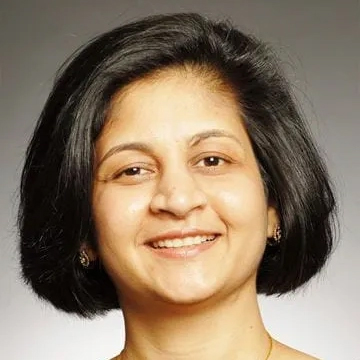
| Akshay Sharma, Co-Chair St. Jude Children’s Research Hospital, Memphis, TN |
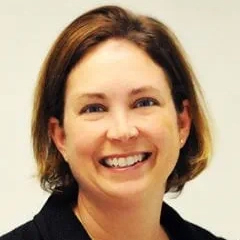
Parinda Mehta, Co-Chair Cincinnati Children’s Hospital Medical Center, Cincinnati, Ohio |
Christine Philips, Co-Chair Cincinnati Children’s Hospital Medical Center, Cincinnati, Ohio |
 |
 |
 |
| Hemalatha Rangarajan, Co-Chair Nationwide Children’s Hospital Medical Center, Columbus, OH |
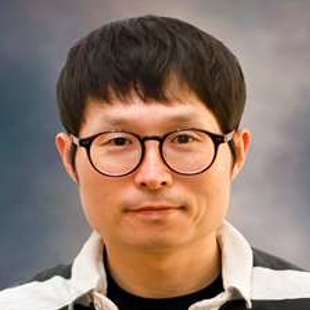
Larisa Broglie, Scientific Director CIBMTR MCW, Milwaukee, WI |
Kwang Woo Ahn, Statistical Director CIBMTR MCW, Milwaukee, WI |
 |
 |
|
| Sarthak Kumar, Statistician CIBMTR MCW, Milwaukee, WI |
Takuto Takahashi, Page Scholar Dana Farber and Boston Children's Hospital, Boston, MA |
Research Areas
The Pediatric Cancer Working Committee provides scientific oversight for studies related to allogeneic and autologous HCT for children, adolescents, and young adults with cancer. Because transplantation approaches for pediatric patients differ from those used for adult patients, researchers must independently evaluate pediatric patients to improve transplant outcomes for this population.
View Full StoryView Less
Studies in Progress
The Pediatric Cancer Working Committee portfolio includes 8 studies in various stages of completion.
Protocol Development: After the committee accepts a study, PIs, statisticians, statistical directors, and committee leadership collaboratively discuss and modify the protocol. Statisticians then clean the CIBMTR data and build demographic tables to support final protocol decisions. After the CIBMTR Statistical Meeting reviews the protocol and the working committee provides feedback via email, the team finalizes the protocol.
- PC19-02 Does mixed peripheral blood T cell chimerism predict relapse? (A Lake / S Prockop / J Boelens / K Peggs)
- CT20-02 Resource utilization with CAR T-cells (M Battiwalla / H Rangarajan / C Scheckel)
- PC22-02 Evaluating predictors of access and outcomes with HCT in pediatric and adolescent patients with relapsed / refractory classical Hodgkin lymphoma after treatment on an initial cooperative group clinical trial (S Castellino / J Kahn)
- PC25-01 Impact of planned post-transplant granulocyte colony stimulating factor (G-CSF) on transplant-related outcomes in pediatric patients with malignant disease undergoing haploidentical HCT with post-transplant cyclophosphamide (L Davis / P Satwani)
Analysis: Once the team finalizes the protocol, statisticians clean the outcomes data, and statistical directors complete the analysis. The team then reviews the results at a CIBMTR Statistical Meeting, where attendees provide feedback.
- PC20-02 Germline genetics of pediatric myelodysplastic syndromes (Poynter / L Spector)
- PC24-01 Transplantation and cellular therapy for children and young adults with Down’s syndrome and acute leukemia (L Appell / S Rotz)
- PC23-01 Post-transplant cyclophosphamide vs. TCR αβ/CD19+ deplete approaches for haploidentical transplant in pediatric patients with acute leukemias and MDS: A CIBMTR / EBMT collaborative study (A Li / H Rangarajan/ P Satwani)
- PC23-02 Comparison of bone marrow and PBSC as graft source in children undergoing allogeneic HCT for hematological malignancies with unmanipulated haploidentical grafts utilizing post-transplant cyclophosphamide as GVHD prophylaxis (A Srinivasan/ J Krueger)
Presentation and Manuscript Preparation: Researchers presented the following studies at national or international meetings, and they are currently preparing manuscripts for publication. They will circulate the manuscripts for feedback to individuals who submitted comments during the protocol and analysis stages.
- PC22-01 Impact of GVHD following allogeneic HCT on leukemia free survival in hematologic malignancies within the pediatric disease risk index risk stratification (A Bauchat / M Qayed). Oral Presentation, 2025 Tandem Meetings
- PC23-02 Comparison of bone marrow and PBSC as graft source in children undergoing allogeneic HCT for hematological malignancies with unmanipulated haploidentical grafts utilizing post-transplant cyclophosphamide as GVHD prophylaxis (A Srinivasan / J Krueger). Poster Presentation, 2026 EBMT Meeting
No New Studies in 2026
Investigators submitted 7 proposals to the Pediatric Cancer Working Committee, and authors presented 3 at the Tandem Meetings in February 2026. Based on feasibility and feedback from committee members, the committee did not select any studies to move forward.
Studies from the Former Donor and Recipient Health Services Working Committee
With the dissolution of the Donor and Recipient Health Services Working Committee, we are evaluating the status and feasibility of pediatric-focused studies from that committee. Hemalatha Rangarajan, MD, a chair of the Donor and Recipient Health Services Working Committee, joined the Pediatric Cancer Working Committee leadership team this year. Many of these studies require us to merge data with the Pediatric Health Information System, which involves a separate set of processes and logistical considerations. We are working closely with our statistical colleagues to determine next steps for each study.
- Resource intensity of end-of-life care in children after hematopoietic stem cell transplant for acute leukemia: Rates and disparities (E Johnston / C Elgarten / L Winestone / R Aplenc)
- DRS18-03 Racial / ethnic disparities in receipt of HCT and subsequent resource utilization in children with acute leukemia (L Winestone / R Aplenc / K Getz)
- HS22-01 Health care utilization and costs of haploidentical allogeneic stem cell transplants in a contemporary cohort of pediatric patients with acute leukemia and myelodysplastic syndrome (H Rangarajan / P Satwani)
Other Committee Activities
The committee seeks to be a resource for pediatric transplant and cellular therapy providers. To enhance our ability to conduct practice-changing research, CIBMTR’s Pediatric Cancer Working Committee is working on strengthening our collaboration with the EBMT Pediatric Diseases Working Party. We are working together to establish a streamlined approach for studies combining both CIBMTR and EBMT databases. PC24-01 (Transplantation and cellular therapy for patients with Down syndrome) is a testament to this collaborative effort.
CIBMTR and the Children’s Oncology Group (COG) are actively collaborating to merge resources through PC22-02 (Evaluating predictors of access and outcomes with HCT in pediatric and adolescent patients with relapsed / refractory classical Hodgkin lymphoma). CIBMTR is also working with investigators in the Pediatric Acute Leukemia (PeDAL) program to integrate transplant outcomes into that initiative. Collaborators at COG have also reached out to utilize CIBMTR resources to help with sample size calculations for upcoming studies, developing historical cohorts to compare the results of clinical trials, and to improve data collection between both resources.
Both partnerships will hopefully set the stage for future collaborative efforts as well.
Join Us
The success of our committee depends on new ideas, testable hypotheses, and participation by individuals with different perspectives and scientific backgrounds. Having an engaged group of investigators allows us to conduct impactful studies. We encourage colleagues with an interest in research with CIBMTR and the Pediatric Cancer Working Committee to reach out to this committee’s leadership to discuss ideas and collaboration. If you are interested in joining the committee, contact the Statistical Operations group at CIBMTRStatsOps@mcw.edu.
The Pediatric Cancer Working Committee encourages all investigators with an interest in pediatric cancer to propose studies through CIBMTR’s Propose a Working Committee Study webpage.
2027 Tandem Meetings: Updates to the Working Committee Proposal Submission Process
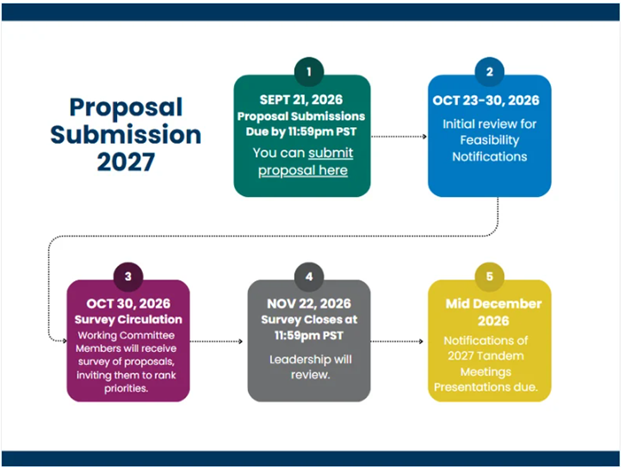
CIBMTR Working Committees encourage all interested investigators to propose studies through CIBMTR’s Propose a Working Committee Study webpage.
For 2027, CIBMTR will implement several new refinements to enhance prioritization, engagement, and impact:
View Full StoryView Less
- Fewer proposal presentations: The committee will limit presentation time during in person working committee meetings to approximately 3-5 high impact proposals to prioritize studies with the greatest potential to change practice and to support completion of ongoing work.
- **NEW** Community-informed proposal selection: The committee will share short summaries of selected proposals in advance of the Tandem Meetings and will invite the community to rank priorities through a structured survey. The committee will circulate the survey to committee members at the end of October and will allow three weeks for responses. Survey results will help determine which proposals the committee presents at the Tandem Meetings.
- Expanded focus of meetings: With fewer proposal presentations, the committee will dedicate additional meeting time to high-priority topics, such as study progress, backlog transparency, data considerations, and strategic scientific direction.
Please note, this change to proposals is planned for 2027 only. Following the 2027 Tandem Meetings, we will gather community feedback through a survey on this year's proposal approach to help inform decisions for future years.
Updates to the proposal submission process from last year (2026 Tandem Meetings) remain in place. Specifically:
- Proposals will not be accepted from individuals who are:
- Listed as first or senior author on a manuscript that has been in preparation for more than one year, or
- Serving as first or senior principal investigator (PI) on two or more current CIBMTR studies.
- All other individuals may submit as many as two proposals to CIBMTR for consideration.
Independent researchers can also download and analyze datasets from prior studies, which are available on the Publicly Available Datasets webpage.
Save the Date for the 2027 Tandem Meetings!

By the Tandem Meetings Planning Team
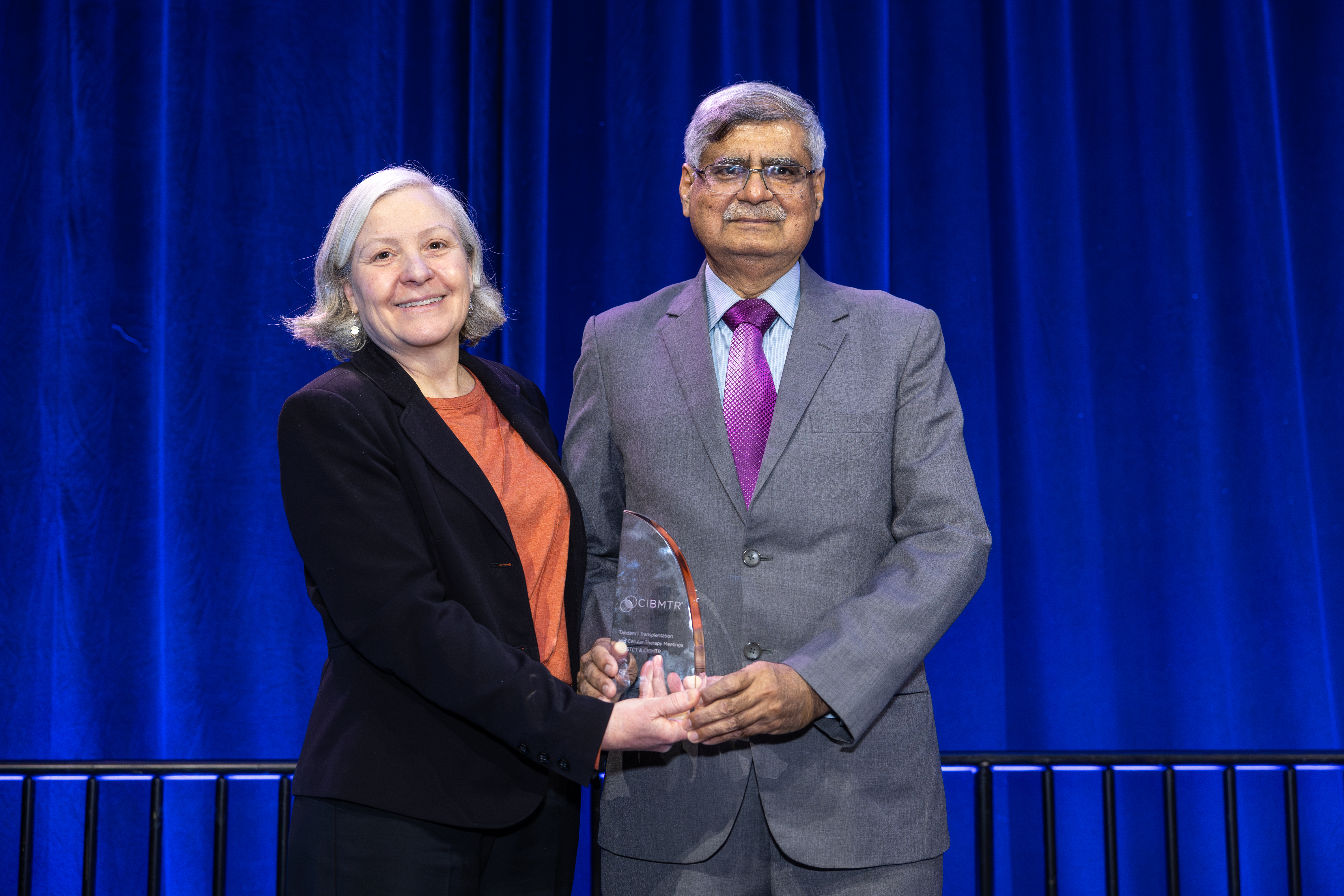
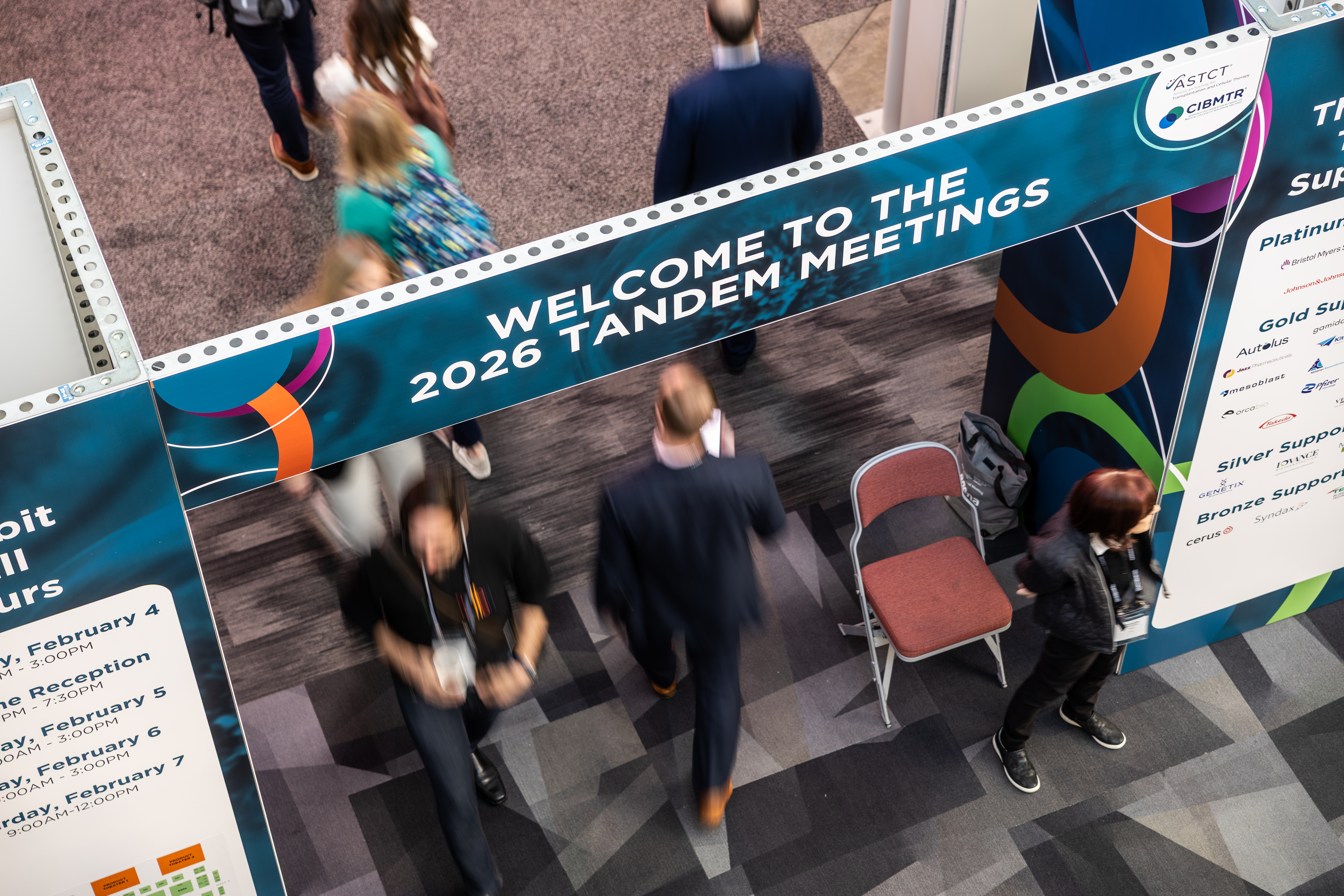
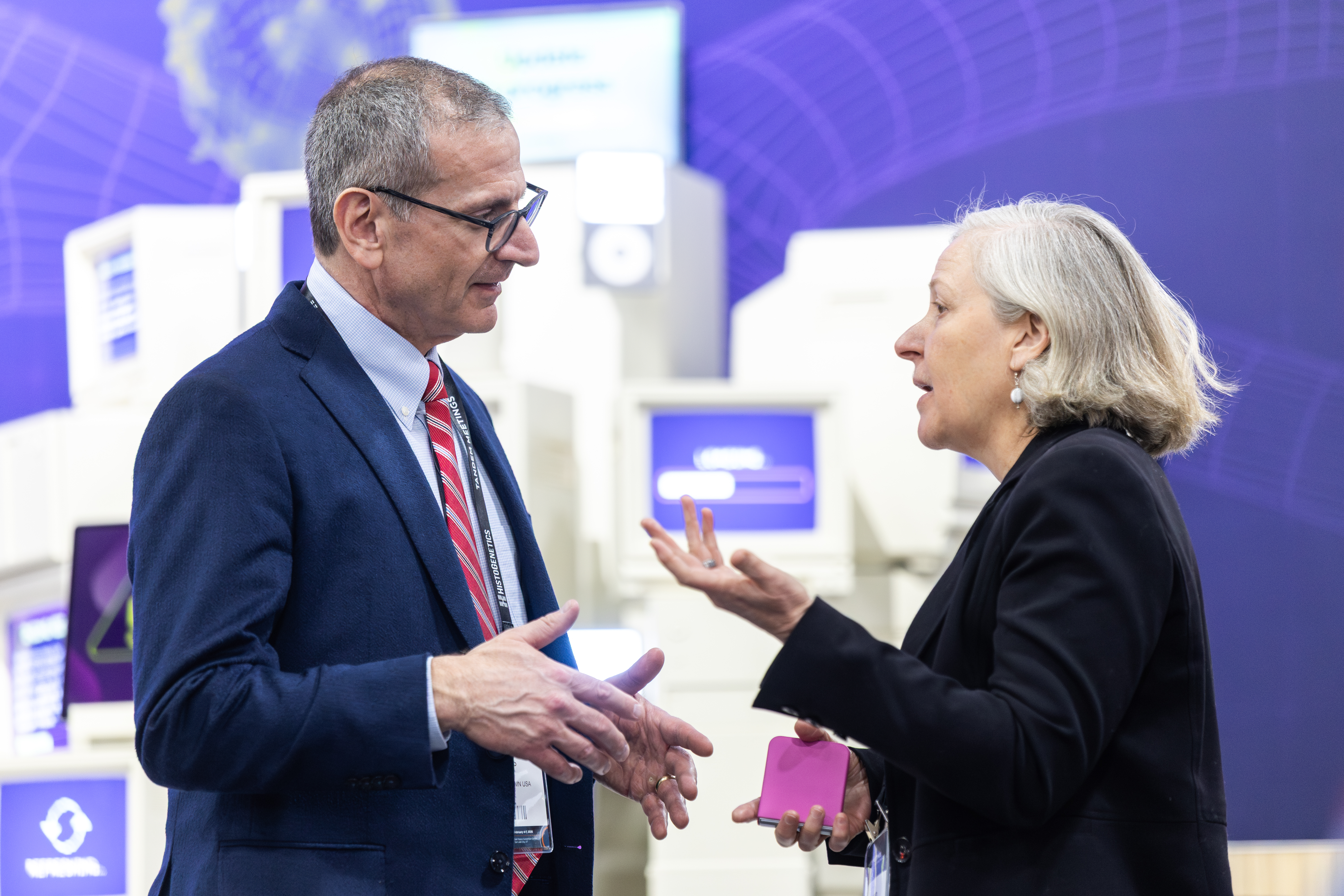
ASTCT and CIBMTR will host the 2027 Tandem Meetings | Transplantation & Cellular Therapy Meetings of ASTCT and CIBMTR in Orlando, Florida, February 17-20, 2027, with pre-conference events on Tuesday, February 16.
View Full Story
 |
 |
 |
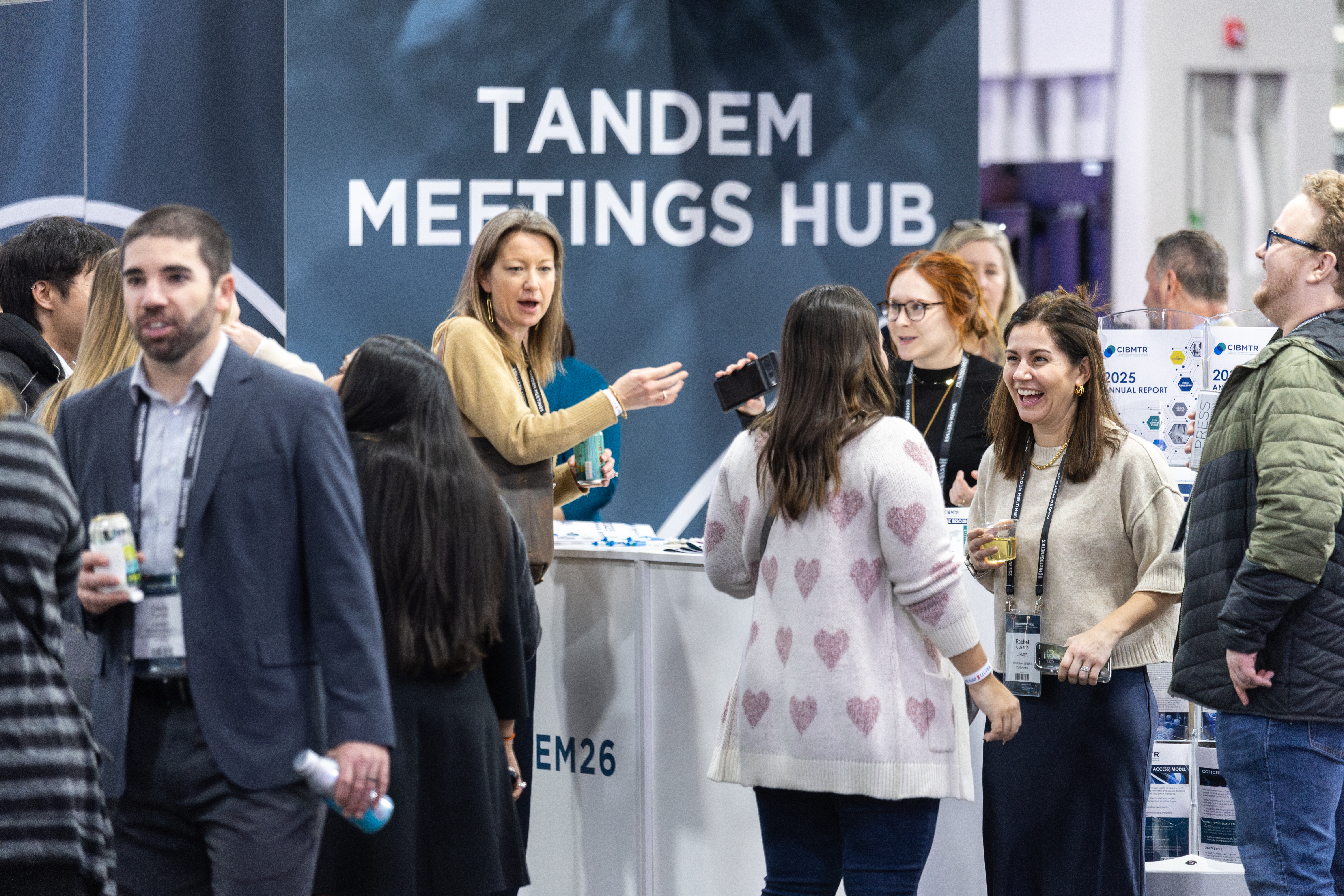 |
Visit TandemMeetings.com for current details about the 2027 Tandem Meetings. We will share additional information about abstract submissions, exhibit and sponsorship opportunities, registration, and housing in Fall 2026.
Want to Catch Up on Content from the 2026 Tandem Meetings?
You can access the 2026 Tandem Meetings Agenda to purchase Session Recording Access if you were unable to join us in Salt Lake City, or registered attendees from 2026 can login to access Session Recordings. Be sure to revisit highlights from the 2026 Tandem Meetings via the Tandem Meetings News.
For any questions regarding the Tandem Meetings, please contact TandemMeetings@mcw.edu.
Follow ASTCT and CIBMTR on social media, as well as the official hashtag #Tandem27 for the latest updates.
ACT Corner
Adoptive Cellular Therapies Stakeholder's Council
The ACT Stakeholders Council continues to meet regularly to guide the growth of CIBMTR’s adoptive cellular therapy research portfolio and data infrastructure. A major area of focus this year is the expansion of solid tumor cellular therapy reporting within CIBMTR. Disease experts, professional society representatives, and industry partners continue to shape future data collection priorities and identify opportunities for collaboration through ongoing discussions as these therapies advance.
View Full Story
We appreciate the valuable feedback the community has provided on the solid tumor data collection forms since their launch. We continue to review submitted feedback and data elements as we refine reporting requirements, capture meaningful clinical outcomes, and minimize reporting burden. We welcome continued input from centers as these efforts move forward.
Adoptive Cellular Therapy Data Collection
CIBMTR released the revised CIBMTR Cellular Therapy Essential Data Forms (version 10), which include updates aligned with upcoming ASTCT toxicity grading recommendations, including enhanced cytokine release syndrome reporting, incorporation of immune effector cell-associated HLH-like syndrome, and expanded neurotoxicity data collection.
Expanding Cell and Gene Therapy Research
Gene therapy reporting to CIBMTR continues to grow. CIBMTR remains engaged in several long-term follow-up collaborations, including supporting regulatory requirements for commercial gene therapy products. CIBMTR continues to expand infrastructure to support emerging cell and gene therapy indications.
CIBMTR and the Centers for Medicare & Medicaid Innovation continue to collaborate to successfully advance the Cell and Gene Therapy Access Model. Patients also continue to enroll in post-approval safety studies (PASS) for several commercially approved gene therapy products. CIBMTR recently conducted an additional round of outreach to centers to encourage participation in PASS and will hold training sessions this month for interested centers.
To further support centers participating in these CIBMTR studies, CIBMTR launched a new Study Resources section within the CIBMTR Portal (https://portal.cibmtr.org). This centralized resource provides study-specific information—including objectives, eligibility criteria, enrollment details, training materials, reporting guidance, and other key documents—in a single location, making it easier for centers to access the resources they need.
As the field of cellular and gene therapy continues to evolve, CIBMTR actively partners with centers, investigators, industry collaborators, and professional societies to generate high-quality real-world evidence. We thank the community for its continued engagement and feedback as we expand data collection and research initiatives across adoptive cellular therapy and gene therapy programs.
BMT CTN Spotlight
By Mykala Heuer, BSN

The BMT CTN is in its fifth grant cycle and has now enrolled more than 17,300 patients. The Network was established in 2001 and is funded by the NHLBI and NCI.
View Full Story
Clinical Trials: Open Enrollment
The BMT CTN encourages widespread transplant community participation in clinical trials. If your center is interested in participating, please visit the BMT CTN website.
The BMT CTN currently supports 9 active trials: 5 BMT CTN-led studies and 4 studies led by other groups in collaboration with BMT CTN. Three additional BMT CTN-led trails are also in development (not listed below).
Status of BMT CTN-Led Trials
- [Open for Site Participation] BMT CTN 2302 – Facilitating Activation of Study Trials (FAST) which is a time-and-motion study to understand the infrastructure, processes, barriers and effective and ineffective center practices related to activation of a cooperative group trial
- If your center is participating in BMT CTN 2203 or BMT CTN 2207, please consider participating
- [Open to Accrual] BMT CTN 2203 – A randomized, multicenter, Phase III trial of tacrolimus / methotrexate / ruxolitinib versus post-transplant cyclophosphamide / tacrolimus / mycophenolate mofetil in non-myeloablative / reduced intensity conditioning allogeneic peripheral blood stem cell transplantation
- [Open to Accrual] BMT CTN 2207 – A Phase II trial of non-myeloablative conditioning and transplantation of haploidentical related, partially HLA-mismatched, or matched unrelated bone marrow for newly diagnosed patients with severe aplastic anemia
- This trial also offers a proactive financial navigation service as part of a BMT CTN Access to Clinical Trials initiative
- [Open to Accrual] BMT CTN 2402 – Hematopoietic cell transplant and gene therapy for non-malignant blood disorders biobank resource
- [Recently Released to Sites] BMT CTN 2303 – A randomized, double-blind, placebo-controlled, multicenter Phase III trial of remestemcel-L-rknd added to ruxolitinib for grade III-IV steroid-refractory acute graft-versus-host disease
BMT CTN Publications
There are 215 BMT CTN published articles, including 49 primary analyses. Researchers published three manuscripts of BMT CTN-led studies since the previous CIBMTR newsletter:
- Einarsdottir S, Fei T, Sigh K, et al. Antigen-specific T cell responses to SARS-CoV-2 vaccination after hematopoietic cell transplant or CAR T cell therapy. Blood Advances. 2026 Apr 6:bloodadvances.2026019614. doi: 10.1182/bloodadvances.2026019614. Epub ahead of print. PMID: 41941698.
- Fang X, Logan BR, Banerjee A, et al. Commensurate prior models with random effects for interval-censored data to accommodate historical controls. Communications in Statistics: Simulation and Computation. doi:10.1080/03610918.2025.2593950. Epub 2025 Nov 29.
- Martens M, Lian A, Logan B. TITE-safety: A robust time-to-event safety monitoring approach for clinical trials. Biometrics. 2026 Apr 9; 82(2):ujag097. doi: 10.1093/biomtc/ujag097. PMC13215099.
About the BMT CTN
CIBMTR shares administration of the BMT CTN Data and Coordinating Center with NMDP and The Emmes Company. Together, these three organizations support all BMT CTN activities. The BMT CTN Steering Committee is currently under the leadership of Stephanie Lee, MD, (Fred Hutchinson Cancer Center) as Steering Committee Chair; Miguel-Angel Perales, MD, (Memorial Sloan Kettering Cancer Center) as Steering Committee Chair-Elect; and John Levine, MD, (Mount Sinai) as Steering Committee Past Chair.
To get up-to-date information about BMT CTN studies, meetings, and news be sure to follow us on X (Previously known as Twitter): @BMTCTN
Center Outcomes Forum Recommendations
By Carol Doleysh
The SCTOD is part of the US HRSA-funded C.W. Bill Young Cell Transplantation Program that collects data on all allogeneic HCT performed in the US and on transplants done elsewhere using cellular products that originated in the US.
View Full Story
Center Outcomes Forum Recommendations Posted
CIBMTR held a Center Outcomes Forum on November 20, 2025. The meeting provides an opportunity to discuss CIBMTR’s approach to the Center-Specific Survival Analysis and to offer meaningful recommendations for improvement. CIBMTR is committed to continuously improving this high-impact report. Topics for the 2025 Forum included:
- Recommendations for MRD for ALL and AML
- Optimizing handling of comorbidities in adults and pediatrics
- Refining the transplant-related factors included in risk adjustment
CIBMTR posted the agenda, summary, and presentations from the 2025 Center Outcomes Forum on its website (https://cibmtr.org/CIBMTR/Meetings/Materials-Archive/Center-Outcomes-Forum), along with materials from all previous Center Outcomes Forums.
Implementation Science Spotlight: Donor Selection Across US Transplant Centers
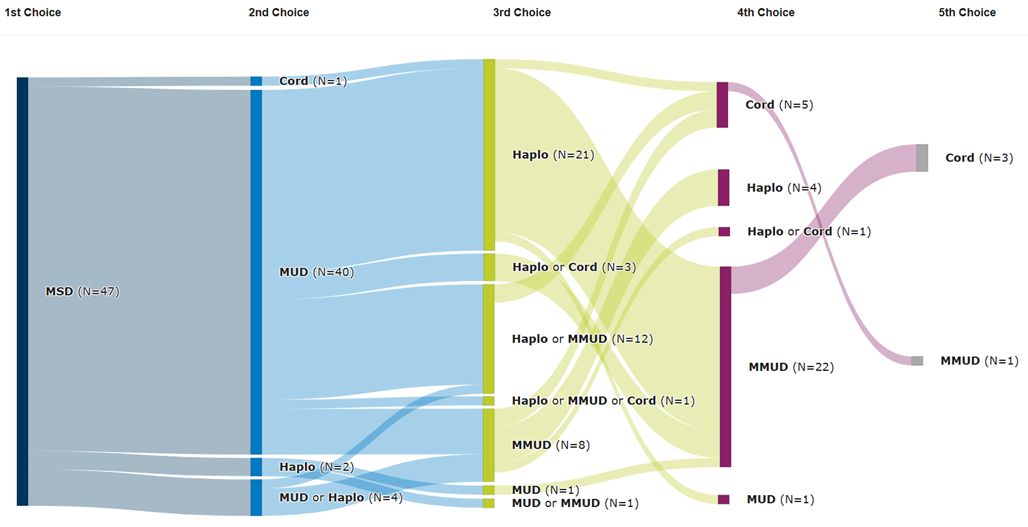
Figure 1: Donor type prioritization for participating transplant centers
Selecting the optimal donor source for allogeneic HCT has become increasingly complex as available options expand. In this study led by CIBMTR’s Implementation Science group, investigators conducted interviews with 156 transplant professionals across 50 US centers to better understand how clinicians make donor selection decisions in real-world practice. Across centers, degree of HLA match and donor age consistently emerged as the top clinical priorities, but approaches to decision-making varied widely, from standardized algorithms to individualized clinician-driven models. As shown in Figure 1, while nearly all centers prioritize matched sibling donors first (often with consideration of age), there is substantial variation in how centers rank alternative donor sources. Importantly, centers frequently balance ideal clinical criteria against real-world factors such as urgency, donor availability, and logistical constraints.
View Full Story
The findings highlight a dynamic and evolving landscape in which experience, institutional norms, and emerging evidence shape practice. Many centers reported growing comfort with alternative donor sources, including mismatched unrelated and haploidentical donors, while also expressing a need for more robust, user-friendly decision-support tools. Overall, this work underscores that donor selection is not purely algorithmic but instead reflects a context-dependent process in which data, human factors, and clinical judgement drive decision-making, creating opportunities to develop tools and guidance that support more consistent, evidence-informed choices.
Publicly Available Datasets
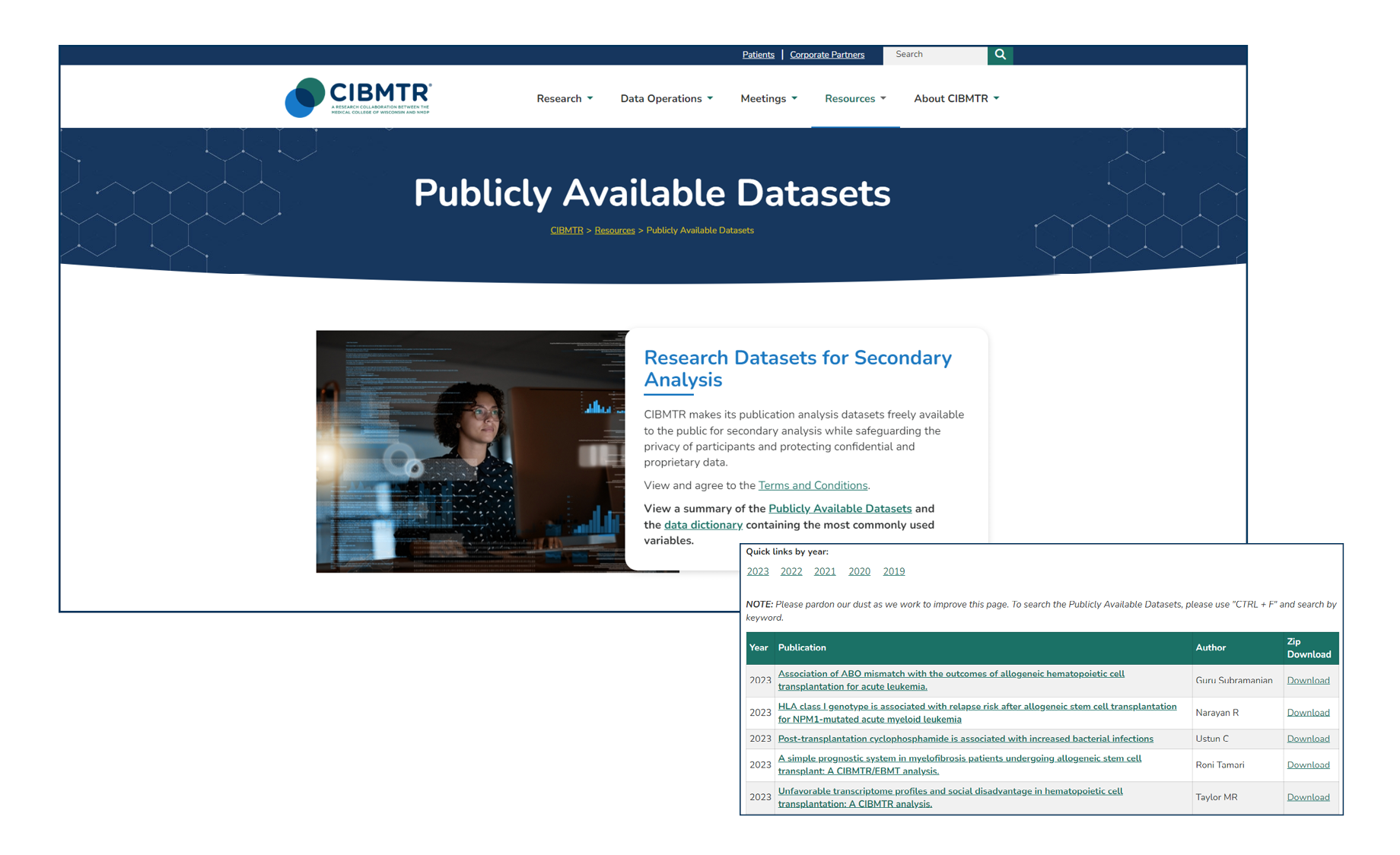 UPDATED: View a summary of the Publicly Available Datasets and the data dictionary containing the most commonly used variables. Use the data dictionary to help identify which dataset you would like to download.
View Full Story
In accordance with the NIH Data Sharing Policy and NCI Cancer Moonshot Public Access and Data Sharing Policy, CIBMTR makes the final datasets from published studies publicly available on CIBMTR’s Research Datasets for Secondary Analysis webpage. These publication analysis datasets are freely available to the public for secondary analysis.
While providing these data, CIBMTR is committed to safeguarding the privacy of participants and protecting confidential and proprietary data. Upon accessing the datasets page on CIBMTR’s public website, the viewer is notified that the dataset was collected by CIBMTR, and CIBMTR’s supporters are listed. The webpage also clearly notes the terms and conditions of dataset usage.
Share Research in Plain Language
By Jennifer Motl, RDN, and Michelle Dodge
Our study summaries page just got a major upgrade! Search by category, and find what you need faster, at cibmtr.org/summaries.
These new plain-language summaries of CIBMTR research may help your patients:
View Full Story
|
|
Children who donate blood or marrow need more support, read more |
|
|
|
New tool predicts risk of long-term effects after transplant, read more |
|
|
|
Sibling donors reduce chances of graft-versus-host disease, read more | |
|
|
Kids who have transplant may have fertility problems later, read more |



Find more summaries at:
Our Supporters
CIBMTR is supported primarily by Public Health Service U24CA076518 from the NCI, the NHLBI, and NIAID; U24HL138660 from NHLBI and NCI; 75R60222C00008, 75R60222C00009, and 75R60222C00011 from the HRSA.
View Full Story
Additional federal support is provided by OT3HL147741, P01CA111412, R01CA100019, R01CA218285, R01CA231838, R01CA262899, R01AI128775, R01AI150999, R01AI158861, R01FD008187, R01HL171117, R21AG077024, U01AI069197, U01AI184132, U24HL157560, and UG1HL174426.
Support is also provided by Australian Bone Marrow Donor Registry; Boston Children’s Hospital; Fred Hutchinson Cancer Center; Gateway for Cancer Research, Inc.; Jeff Gordon Children’s Foundation; Medical College of Wisconsin; NMDP; Patient Center Outcomes Research Institute; PBMTF; St. Baldricks’s Foundation; Stanford University; Stichting European Myeloma Network (EMN); and from the following commercial entities: AbbVie; Actinium Pharmaceuticals, Inc.; Adaptive Biotechnologies Corporation; ADC Therapeutics; Adienne SA; Alexion; AlloVir, Inc.; Amgen, Inc.; Astellas Pharma US; AstraZeneca; Atara Biotherapeutics; Autolus Limited; BeiGene; BioLineRX; Blue Spark Technologies; Blueprint Medicines; Bristol Myers Squibb Co.; CareDx Inc.; Cordex Biologics Inc.; CSL Behring; CytoSen Therapeutics, Inc.; DKMS; Eurofins Viracor, DBA Eurofins Transplant Diagnostics; Gamida-Cell, Ltd.; Genetix; Gift of Life Biologics; Gift of Life Marrow Registry; HistoGenetics; ImmunoFree; Incyte Corporation; Iovance; Janssen Research & Development, LLC; Janssen/Johnson & Johnson; Japan Hematopoietic Cell Transplantation Data Center; Jasper Therapeutics; Jazz Pharmaceuticals, Inc.; Karius; Kashi Clinical Laboratories; Kiadis Pharma; Kite Pharma Inc.; Kite, a Gilead Company; Kyowa Kirin International plc; Labcorp; Legend Biotech; Mallinckrodt Pharmaceuticals; Med Learning Group; Medac GmbH; Medexus; Merck & Co.; Mesoblast, Inc.; Millennium, the Takeda Oncology Co.; Miller Pharmacal Group, Inc.; Miltenyi Biomedicine; Miltenyi Biotec, Inc.; MorphoSys; MSA-EDITLife; Neovii Pharmaceuticals AG; Novartis Pharmaceuticals Corporation; Omeros Corporation; Orca Biosystems, Inc.; OriGen BioMedical; Ossium Health, Inc.; Pfizer, Inc.; Pharmacyclics, LLC, An AbbVie Company; Pierre Fabre Pharmaceuticals; Registry Partners; Rigel Pharmaceuticals; Sanofi; Sarah Cannon; Seagen Inc.; Servier; Sobi, Inc.; Sociedade Brasileira de Terapia Celular e Transplante de Medula Óssea (SBTMO); Stemcell Technologies; Stemline Technologies; STEMSOFT; Syndax; Takeda Pharmaceuticals; Talaris Therapeutics; Therakos; Tscan Therapeutics; US WorldMeds; Vertex Pharmaceuticals; Vor Biopharma Inc.; Xenikos BV.
Careers
Job opportunities on both the CIBMTR MCW and CIBMTR NMDP campuses are listed on CIBMTR’s Careers webpage.
Abbreviations
Need an acronym defined? Review our list of common abbreviations.